Olive Oil and Wine in Corfu
The history of olive oil and wine production in Corfu is deeply intertwined with the identity, culture, and economic life of the island for centuries. From antiquity to the present day, olive oil and wine have not merely served as basic nutritional staples but have also acted as symbols of Corfiot land, expressing the profound connection between its people and the natural environment, the soil, and tradition. Blessed with a temperate climate, fertile land, and rich flora, Corfu has long been an ideal place for cultivating both olive trees and vineyards.
The presence of the olive tree on the island dates back to ancient times, with indications that the first inhabitants of Corfu were already growing olive trees as early as the Archaic period. During the Hellenistic and Roman eras, olive cultivation expanded and became more organized, with olive oil emerging as a valuable commodity for trade, nutrition, and religious rituals.
Corfu’s Timeless Legacy of Olive Oil and Wine: A Journey Through Nature, Culture, Venetian Influence, and the Enduring Spirit of Traditional Island Agriculture and Identity
The history of olive trees
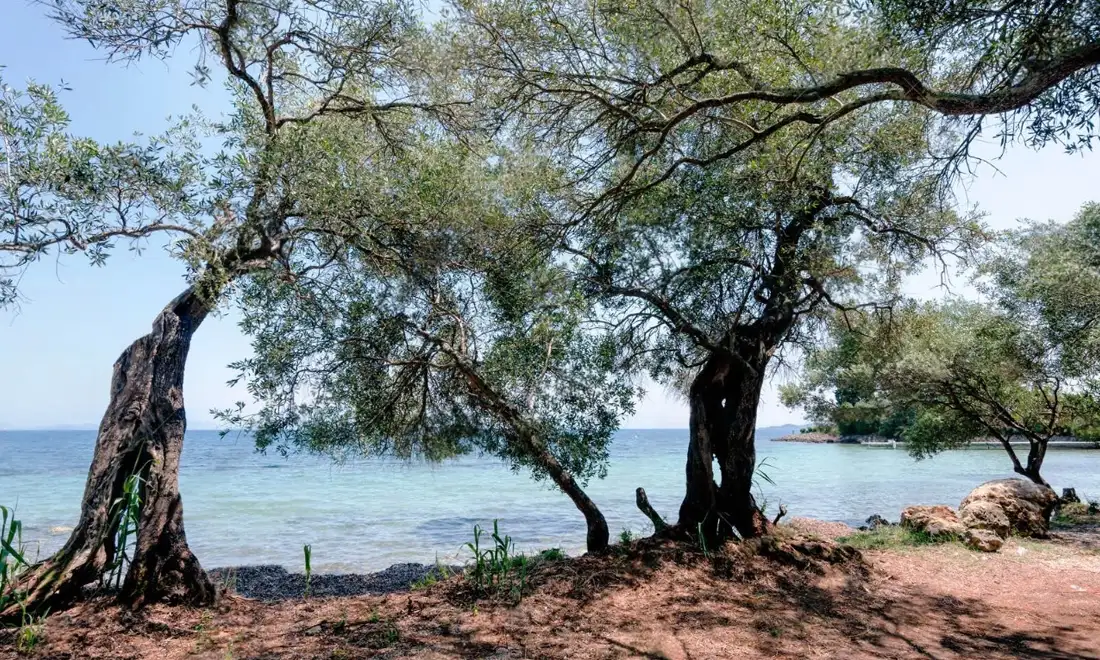
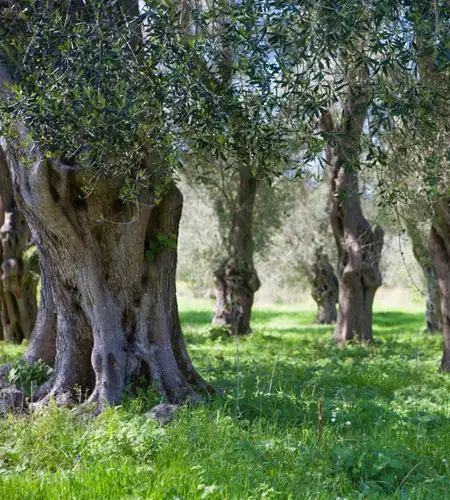
However, the most pivotal moment in the history of olive cultivation in Corfu came during Venetian rule (1386–1797). Recognizing the olive tree’s value, the Venetians strongly encouraged its cultivation. They offered tax incentives and privileges to those who planted olive trees and converted large areas of land into olive groves. The result was remarkable: by the end of the 18th century, Corfu was covered with millions of olive trees, forming the island’s lush green landscape that we still recognize today. Many of these trees have survived to this day, some exceeding 600–700 years in age.
Olive oil became one of Corfu’s primary export products, especially to Venice and other European markets. Most of this oil was used for lighting, soap-making, and cooking, serving both local and international needs. The variety most found on the island, known as “Lianolia,” produces an olive oil that is mild in taste, fruity in aroma, and exceptionally high in nutritional value. Olive cultivation remains a significant economic sector on the island, albeit on a smaller scale than in the past due to the growing dominance of tourism over agriculture.
Viticulture and winemaking in Corfu also boast a long and rich tradition. Grapevines were cultivated on the island since antiquity, and wine played a central role not only in religious ceremonies but also in social and cultural life. Over time, the winemaking sector of Corfu underwent different stages of development, influenced by historical and political conditions.
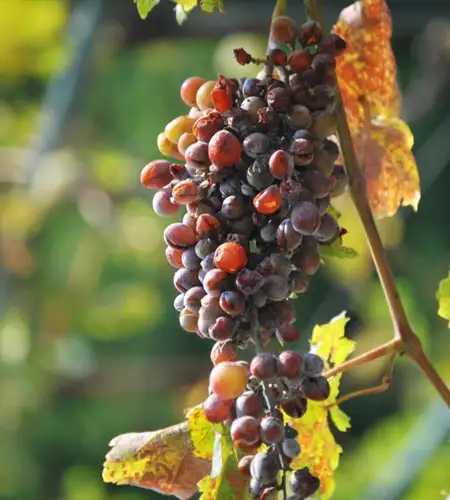
During the Venetian period, winemaking declined relative to olive oil production, as the Venetians focused primarily on exporting oil. Nevertheless, the tradition of home winemaking persisted without interruption. Many families owned small vineyards and produced their own wine, mainly red, characterized by its strong flavor and high alcohol content.
After the Venetians left and especially during the British occupation in the 19th century, viticulture experienced renewed vitality. The British promoted organized agriculture and commercial exploitation of local products, including wine. By the late 19th and early 20th centuries, many vineyards across Corfu, as in the rest of Europe, were devastated by the phylloxera plague. Yet, over time, grape cultivation was gradually restored.
Today, Corfu hosts several small and medium-sized wineries that skillfully combine traditional expertise with modern winemaking techniques. Indigenous grape varieties such as Kakotrygis and Skopelitis produce wines that reflect the unique terroir of the island. Kakotrygis, a notable white variety, yields a light wine with citrus aromas and subtle acidity, pairing beautifully with local seafood. Red varieties typically produce bold wines with rich color and full body.
Wine and olive oil production in Corfu is not solely about agriculture, it is a key component of the island’s cultural and tourism identity. Local festivals, traditional feasts, and culinary events frequently feature tastings of both olive oil and wine, showcasing the enduring connection between the island and these age-old products.
As Corfu looks toward the future, sustainable agriculture, the protection of native plant varieties, and the promotion of traditional practices can serve as pillars for reinforcing local identity and enhancing the gastronomic heritage of the island. Olive oil and wine from Corfu are not just consumables, they are vessels of history, flavor, and culture.