Planning your first time yacht charter can feel both exhilarating and overwhelming. The promise of crystal clear waters, secluded coves, and the freedom to explore at your own pace is undeniably appealing, yet the booking process often raises countless questions for newcomers. How much does it actually cost? Do you need sailing experience? What’s included in the charter fee, and what should you budget for separately?
Whether you’re dreaming of sailing the Mediterranean, island hopping in the Caribbean, or cruising along Croatia’s stunning coastline, understanding the fundamentals of yacht chartering will transform your vacation from a stressful gamble into a confident adventure. This comprehensive guide demystifies the entire process, from choosing between bareboat and crewed charters to navigating contracts, understanding provisioning options, and avoiding common pitfalls that catch first time yacht charter guests off guard. By the end, you’ll have the knowledge and confidence to book the perfect yacht charter experience tailored to your preferences, skill level, and budget.
Understanding the different types of yacht charters
When planning your first yacht charter, it’s essential to understand the different charter types available, as each offers distinct advantages depending on your preferences and sailing experience.
Bareboat charters give you complete control of the vessel, but you’ll need to demonstrate proper sailing qualifications and experience. You’re responsible for navigation, provisioning, and all onboard operations, making this option ideal for experienced sailors seeking independence.
Skippered charters provide a professional captain who handles navigation and vessel operations while you enjoy the journey. This option suits those who want to relax without worrying about technical details, and it’s an excellent choice for learning from an experienced sailor.
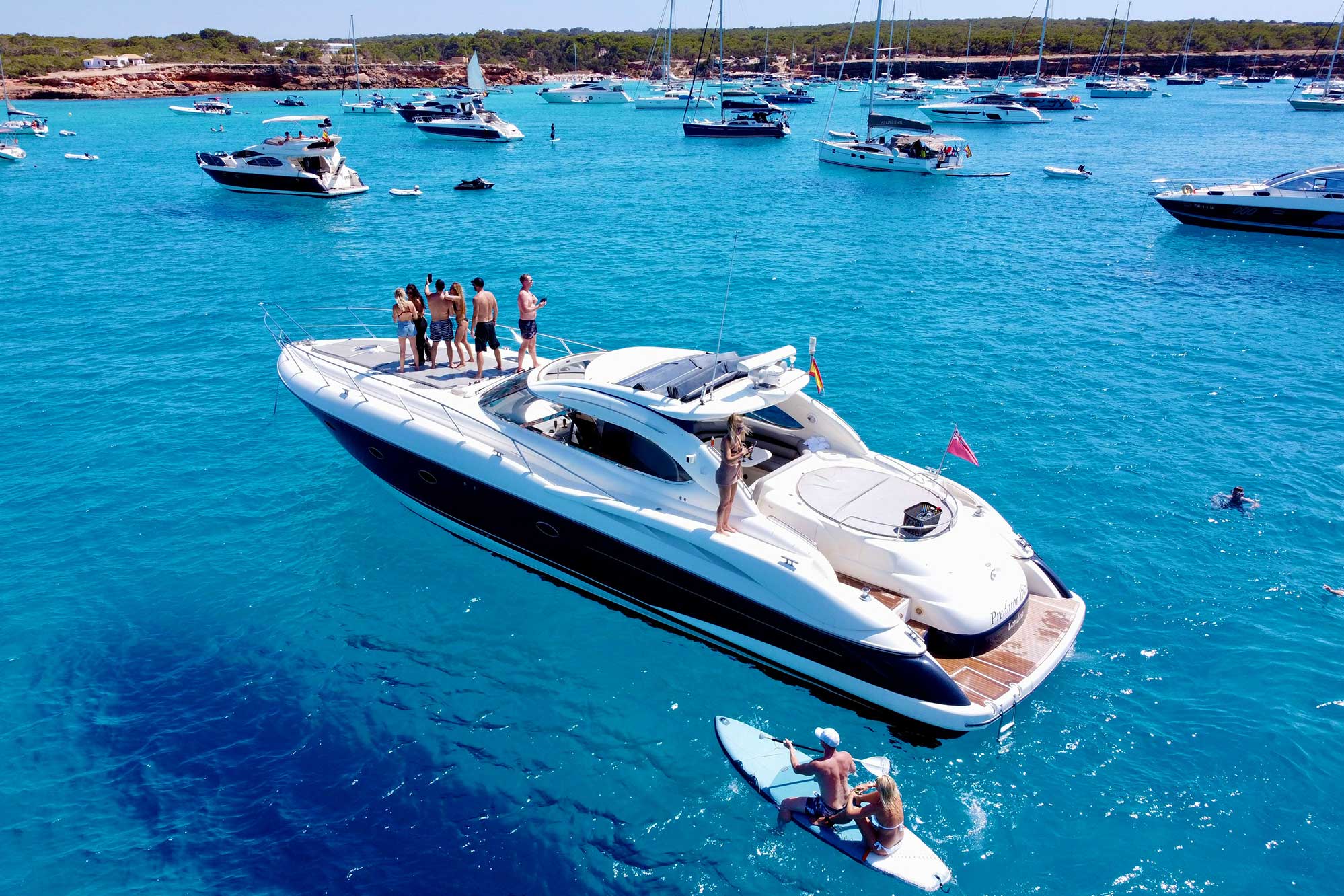
Crewed charters offer the ultimate luxury experience, with a full crew including captain, chef, and hospitality staff. Everything from route planning to gourmet meals is handled for you, allowing complete relaxation and personalized service throughout your trip.
Cabin charters, also known as flotilla charters, let you book individual cabins on a larger yacht shared with other guests. This budget-friendly option is perfect for solo travelers or couples who want to experience yachting without chartering an entire vessel.
Your choice depends on your budget, sailing expertise, desired level of privacy, and whether you prefer hands-on sailing or full-service luxury.
How much does a yacht charter actually cost
Yacht charter costs vary dramatically based on size, luxury level, destination, and season. A basic sailing yacht for a week in the Mediterranean can start around $3,000 to $5,000 during low season, while luxury motor yachts with crew easily reach $50,000 to $200,000 per week or more.
The charter fee typically covers the yacht itself, crew salaries, and basic insurance. However, this is rarely your total expense. Most charters operate on a “plus expenses” basis, meaning you pay an additional 25% to 35% of the charter fee for what’s called the Advance Provisioning Allowance (APA). This covers fuel, food, beverages, docking fees, and other operational costs during your trip.
Bareboat charters, where you captain the vessel yourself, cost significantly less but require sailing certifications and experience. These start around $2,000 to $4,000 per week for modest yachts.
Peak season rates (typically July and August in Europe, December through April in the Caribbean) can be 20% to 30% higher than shoulder season pricing. Many charter companies also charge delivery fees if you want the yacht positioned in a specific location, and you should budget for crew gratuity, typically 10% to 20% of the charter fee for exceptional service.
Choosing the perfect destination for your first charter
Your destination sets the tone for your entire charter experience, so selecting the right location matters significantly. As a first-time charterer, consider regions with calm waters, reliable weather patterns, and manageable sailing distances between anchorages.
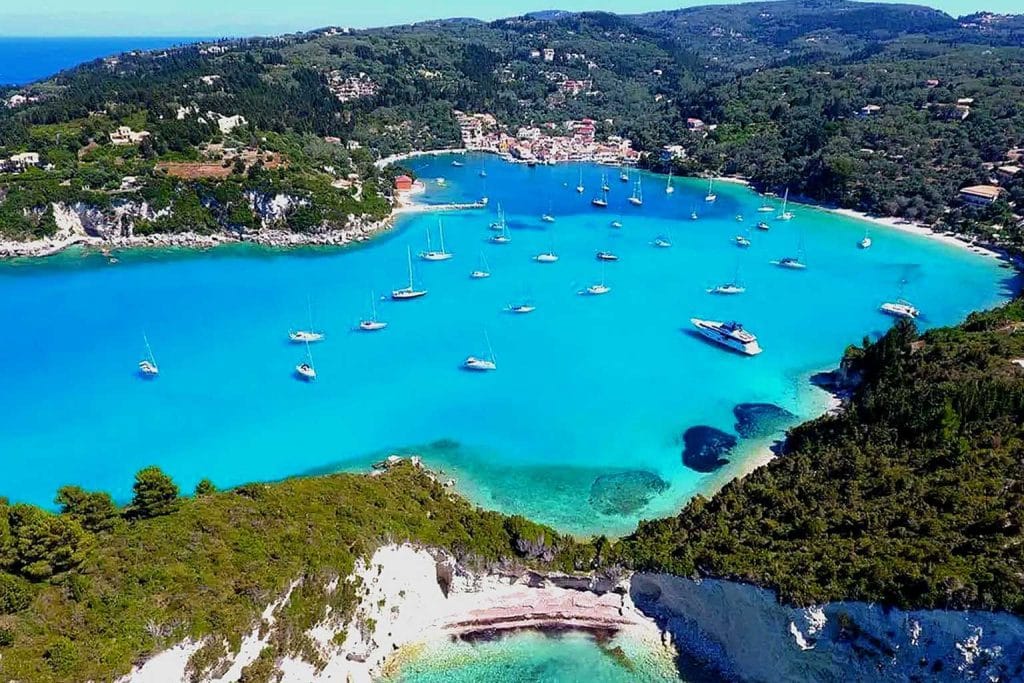
The Mediterranean remains the most popular choice for beginners, particularly the Greek islands, the French Riviera, and Croatia’s Dalmatian Coast. These areas offer protected waters, short passages between destinations, and excellent marina infrastructure. The sailing season runs from May through October, with July and August being the busiest months.
The Caribbean presents another excellent option, especially for winter charters. The British Virgin Islands stand out as particularly beginner-friendly, with line-of-sight navigation between islands and consistent trade winds. The high season runs from December through April, when weather conditions are most predictable.
Consider your group’s interests when making your decision. History enthusiasts might prefer the Greek islands or Turkey, while those seeking vibrant nightlife may lean toward the French Riviera or St. Martin. Families often appreciate the calm waters and short distances of the British Virgin Islands or the Exumas in the Bahamas.
Budget also plays a crucial role, as charter costs vary significantly by region. The Mediterranean typically offers more affordable options than the Caribbean, though this depends on the specific location and season.
What to pack and prepare before boarding
Packing efficiently for a yacht charter requires balancing comfort with space constraints. Begin with lightweight, breathable clothing suitable for warm weather, including swimwear, cover-ups, and quick-dry fabrics. Bring at least one outfit for upscale dining if you plan to visit waterfront restaurants. Soft-sided luggage is essential, as rigid suitcases are difficult to store in compact cabin spaces.
Sun protection is critical on the water. Pack reef-safe sunscreen with high SPF, sunglasses with UV protection, a wide-brimmed hat, and a rash guard for extended sun exposure. The reflection from the water intensifies UV rays, making proper protection more important than on land.
Footwear should include non-marking boat shoes or deck-friendly sandals. Dark-soled shoes can leave scuff marks on pristine decks and are typically prohibited. Include water shoes for beach excursions over rocky areas.
Essential items include any prescription medications, basic first aid supplies, motion sickness remedies, and personal toiletries. While most charter yachts provide towels and basic amenities, confirm what is included when booking. Bring a waterproof phone case or dry bag to protect electronics and valuables during water activities.
Finally, prepare digital copies of important documents, including your passport, travel insurance, charter agreement, and emergency contacts. Store these securely in cloud storage for easy access throughout your journey.
Working with crew and understanding yacht etiquette
Understanding how to interact with your yacht crew ensures a smooth and enjoyable charter experience. Professional crew members are there to make your vacation exceptional, but knowing proper etiquette helps establish the right balance between service and personal space.
Communicate your preferences clearly at the beginning of your charter. Discuss meal times, dietary requirements, and daily plans with the captain and crew during your welcome briefing. This allows them to prepare accordingly and customize your experience. However, remain flexible, as weather conditions may require schedule adjustments for safety reasons.
Respect crew quarters and designated areas. Yacht crews typically have private spaces that are off limits to guests. Similarly, certain areas like the bridge may have restricted access depending on the vessel and local regulations.
Tipping is customary in the yachting industry. Plan to tip between 10 to 20 percent of the charter fee, depending on the level of service and your satisfaction. Present the gratuity in an envelope to the captain at the end of your charter, who will distribute it among the crew.
Remember that crew members often work long hours to ensure your comfort. A simple thank you and appreciation for their efforts goes a long way in creating a positive atmosphere aboard.
Booking process and essential documents you need
Understanding the yacht charter booking process helps first-time charterers navigate what might initially seem overwhelming. Most charter companies require you to complete a comprehensive booking form that includes your preferred dates, destination, number of guests, and any special requirements. You’ll typically need to pay a deposit of 30 to 50 percent of the total charter fee to secure your reservation, with the balance due four to eight weeks before departure.
Essential documents vary depending on your destination and the type of charter you choose. For bareboat charters, you must provide proof of sailing competency through recognized certifications such as RYA Day Skipper, ASA 104, or equivalent qualifications. You’ll also need a sailing resume that outlines your experience with similar vessels. Many charter companies require a valid passport with at least six months remaining before expiration.
Additional paperwork includes signing a comprehensive charter agreement that outlines your responsibilities, insurance requirements, and liability terms. You should carefully review the security deposit requirements, which typically range from $2,500 to $5,000 depending on the vessel size. Most companies also require proof of travel insurance and may ask you to purchase additional damage waiver coverage. If you’re chartering in international waters, check whether you need an International Certificate of Competence or other region-specific documentation well before your departure date.
- First-Time Yacht Charter Guide: Everything You Need to Know for Corfu
- Corfu to Paxos Day Trip: The Ultimate Yacht Charter Guide
- Ithaca Yacht Charter, Following Odysseus Through the Ionian
- Water Sports Adventures on 99knots Luxury Yachts
- Yacht Charter Corfu: Complete Planning Guide for Your Dream Vacation
- Ionian Islands Yacht Charter, Complete Guide to Greece’s Best Sailing