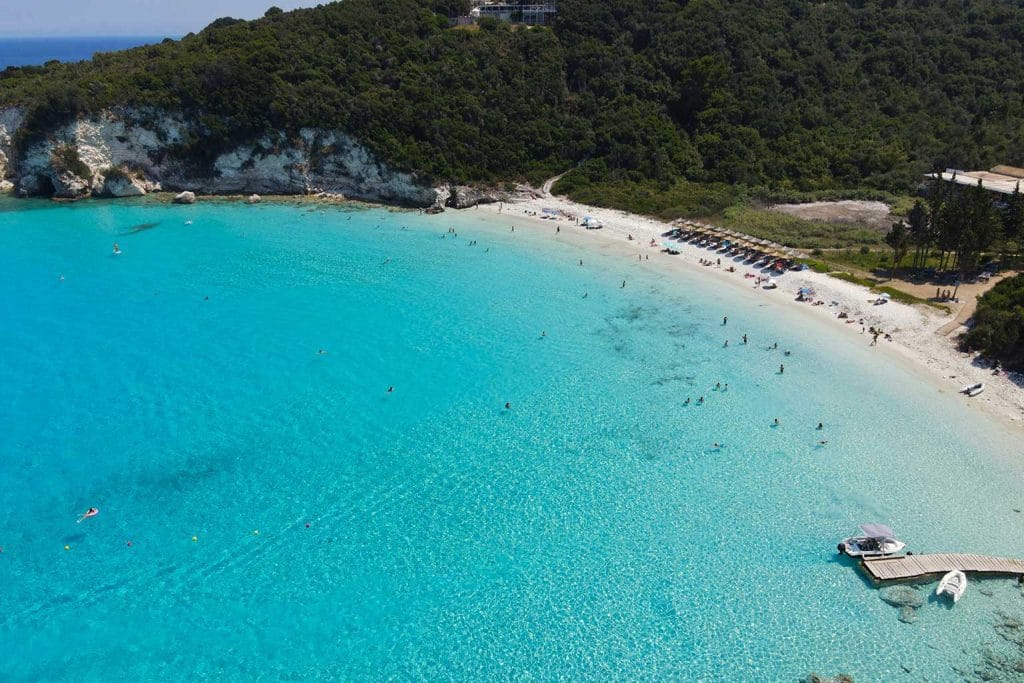
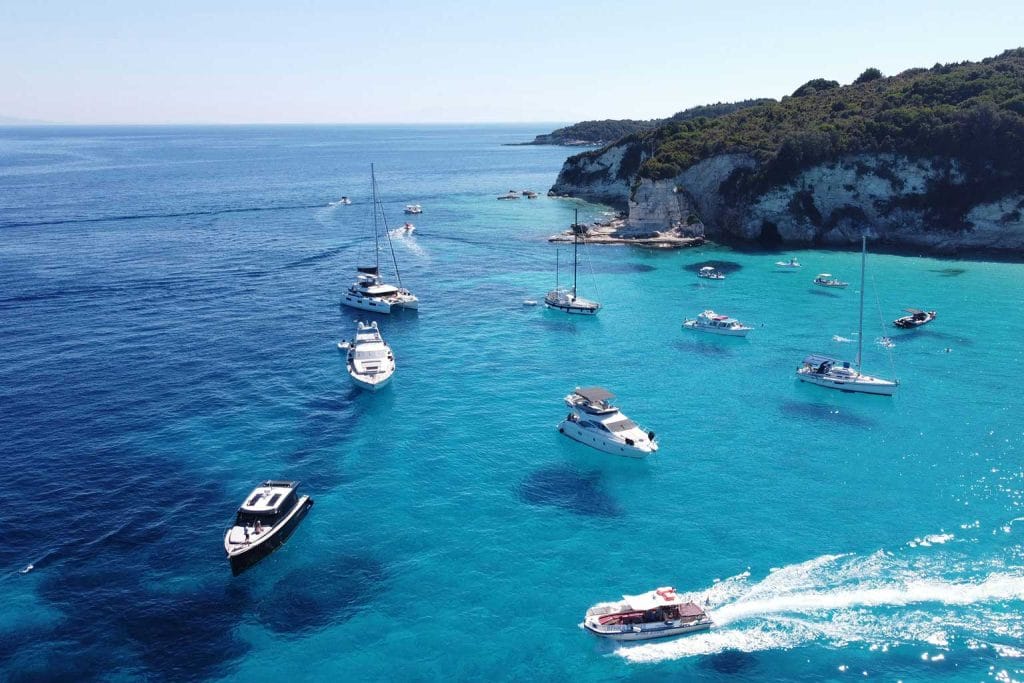
Corfu anchorages offer some of the most pristine and protected waters in the Ionian Sea, yet many sailors stick to the same crowded bays listed in every guidebook. While popular spots like Paleokastritsa and Kalami Bay have their charm, the island’s coastline hides dozens of secluded anchorages that remain largely unknown to visiting yachters. These hidden gems provide crystal clear waters, dramatic coastal scenery, and the kind of peaceful solitude that has become increasingly rare in the Mediterranean’s most popular sailing destinations.
Local fishermen and Greek sailors have guarded these secret spots for generations, but changing times and growing environmental awareness have made sharing these locations more acceptable, provided visitors treat them with respect. In 2025, discovering Corfu’s lesser known anchorages means exploring remote coves accessible only by boat, finding shelter in forgotten bays with Venetian ruins, and experiencing the island’s wild beauty away from tourist crowds. This guide reveals the authentic Corfu anchorages that locals actually use, complete with practical approach details, holding information, and insider tips for making the most of your visit.
Why local knowledge matters when anchoring in Corfu
Navigating Corfu’s coastline requires more than just GPS coordinates and a marine chart. The island’s complex underwater topography, shifting weather patterns, and seasonal regulations make local expertise invaluable for sailors seeking safe and rewarding anchorages.
Many of Corfu’s most attractive bays hide shallow rock formations that appear suddenly beneath the surface, invisible to standard depth sounders until you’re dangerously close. Local fishermen and seasoned sailors possess intimate knowledge of these hazards, passed down through generations of maritime experience. They understand precisely where the seabed transitions from sand to rock, and which seemingly perfect spots become untenable when the wind shifts direction.
The meltemi winds that sweep through the Ionian Sea create dramatically different conditions between the island’s eastern and western coasts. What serves as excellent shelter during prevailing northerlies can transform into an exposed, uncomfortable anchorage within hours. Locals recognize subtle weather signs and know instinctively when to relocate.
Beyond safety considerations, local knowledge unlocks access to protected coves where authorities permit overnight anchoring, distinguishing them from similar-looking bays where mooring is prohibited. Understanding these regulations, which often change seasonally to protect marine ecosystems or accommodate summer tourism, prevents costly fines and contributes to responsible cruising practices that preserve Corfu’s natural beauty for future generations.
Northern Corfu’s hidden anchorages and protected bays
The rugged northern coastline of Corfu harbors some of the island’s most secluded anchorages, where dramatic cliffs meet crystal-clear waters. These spots remain largely unknown to charter fleets that typically concentrate around the island’s southern and eastern shores.
Agios Stefanos Avlioton on the northwest coast offers exceptional shelter from prevailing winds, with depths of 3 to 8 meters over sandy patches ideal for anchoring. The bay’s horseshoe shape provides protection from all but strong westerly winds, and the surrounding countryside remains wonderfully undeveloped. Local fishermen moor their boats here year-round, a reliable indicator of the anchorage’s dependability.
Further east, Kouloura Bay presents a picturesque refuge framed by cypress-clad hills. This small inlet accommodates only a handful of vessels at a time, with stern-to mooring available alongside the quayside in 2 to 4 meters. The Venetian-era village overlooking the anchorage has retained its authentic character, with traditional tavernas serving locally caught seafood.
Kalami Bay, while slightly more known, still qualifies as a hidden gem during shoulder seasons. The bay’s northern corner provides the best holding in 4 to 6 meters over sand and weed. Morning arrivals secure the prime spots before afternoon sea breezes funnel through the bay’s narrow opening.
Secret spots along Corfu’s eastern coastline
The eastern coastline of Corfu offers sheltered anchorages that remain surprisingly quiet, even during peak summer months. These spots provide excellent protection from the prevailing northwest winds while delivering authentic Greek island experiences away from crowded marinas.
Kalami Bay stands out as a prime choice for overnight anchoring. Drop your hook in 4 to 6 meters over sand and weed, staying clear of the swimming areas marked by buoys. The white pebble beach here attracts far fewer visitors than the tourist hubs further south, and several traditional tavernas line the waterfront where you can enjoy fresh grilled octopus.
Further south, the anchorage at Nisaki offers crystal clear waters ideal for snorkeling. Anchor in 5 to 8 meters on a sandy bottom, keeping reasonable distance from the rocky shoreline. Local fishermen frequent this spot early morning, sharing knowledge about upcoming weather patterns if you strike up a conversation.
Agni Bay provides another excellent option with its three renowned tavernas accessible directly from your dinghy. The holding is good in sand at 5 to 7 meters, though space becomes limited when more than four boats occupy the bay. Arrive before midday to secure the best position, particularly on weekends when Corfu Town residents make day trips by boat.
Western Corfu’s remote anchorages for experienced sailors
The western coastline of Corfu presents challenging conditions that reward experienced sailors with unspoiled anchorages far from tourist crowds. Strong afternoon winds and limited shelter make this coast unsuitable for novice navigators, but those with proper seamanship skills will discover pristine bays that remain virtually untouched.
Agios Georgios Bay, located north of Paleokastritsa, offers excellent holding in sand and weed at depths of 5 to 8 meters. The bay provides good protection from easterly winds, though sailors should monitor weather forecasts as westerlies can make the anchorage untenable. Local fishermen occasionally moor here overnight, and fresh water is available at the small village taverna.
Further north, Porto Timoni features a dramatic double bay formation where a narrow strip of land separates two crescent beaches. The southern bay provides better shelter, with anchoring possible in 6 to 10 meters over sand. Approach with caution due to underwater rocks near the entrance, and avoid during northwest winds.
Cape Drastis, at Corfu’s northwestern tip, rewards adventurous sailors with spectacular limestone formations and crystal-clear waters. Anchoring is possible in calm conditions only, at 8 to 12 meters depth. This exposed location requires constant weather monitoring and should only be attempted during settled periods with reliable forecasts.
Southern Corfu’s sheltered coves and island anchorages
The southern tip of Corfu offers some of the most protected anchorages on the island, with pristine waters and dramatic limestone cliffs providing natural shelter from prevailing winds. These spots remain relatively undiscovered by the charter fleet, making them ideal for those seeking tranquility.
Asprokavos Bay, located just north of Cape Asprokavos, provides excellent all-round protection in depths of 3 to 6 meters over sand. Local fishermen favor this spot during strong northwesterlies, and the holding is superb. A small taverna operates seasonally on the beach, accessible by dinghy.
The narrow channel between Corfu and Paxos islands reveals several hidden gems. Ortholithi Bay on Corfu’s southeastern coast offers spectacular overnight anchorage with protection from most directions. Anchor in 4 to 7 meters over sand and weed, ensuring your anchor is well set due to occasional gusts funneling down from the surrounding hills.
For complete solitude, the small cove at Arkoudilas remains virtually unknown to visiting yachts. This horseshoe-shaped bay on the island’s southwestern corner provides shelter in easterly conditions. The approach requires careful navigation due to scattered rocks near the entrance, but once inside, you’ll find excellent holding in 5 meters over sand. The beach is backed by olive groves, with no development in sight.
Essential anchoring tips and local regulations in Corfu
Anchoring in Corfu requires careful attention to local regulations and environmental protections. The Hellenic Coast Guard enforces strict rules in protected marine areas, particularly around Paleokastritsa and the Blue Lagoon near Sivota, where anchoring is prohibited to preserve sensitive seagrass meadows.
Before dropping anchor, check the seabed type through your depth sounder or local charts. Sandy and muddy bottoms provide excellent holding, while rocky areas can damage your anchor and chain. Most of Corfu’s western coast features good holding ground, but always set your anchor properly with a scope ratio of at least 5:1 in calm conditions.
Greek waters require all vessels to maintain a minimum distance of 200 meters from beaches marked with swimming buoys. The local Port Police actively patrol popular anchorages during summer months, issuing fines for violations. Always display your anchor light at night and monitor weather forecasts closely, as the Ionian Sea can produce sudden squalls.
Respect local fishing grounds marked with yellow buoys, typically found along the northeast coast. Many traditional fishing families depend on these areas for their livelihood. Additionally, avoid anchoring near underwater cables and pipelines, which are marked on official Greek nautical charts. Keep your VHF radio tuned to channel 16 for emergency communications and updates from the Coast Guard.
- Family Yacht Charters in Corfu: Kid-Friendly Activities and Safe Anchorages
- Sailing Corfu’s Northeast Coast: Hidden Coves and Secret Anchorages
- Corfu Northeast Coast: Hidden Bays and Traditional Villages
- Kefalonia Sailing Guide: Fiskardo, Caves & Hidden Bays
- Ithaca Yacht Charter, Following Odysseus Through the Ionian
- Mourtos and Parga: Mainland Greece’s Coastal Gems by Yacht