Dassia and Ipsos
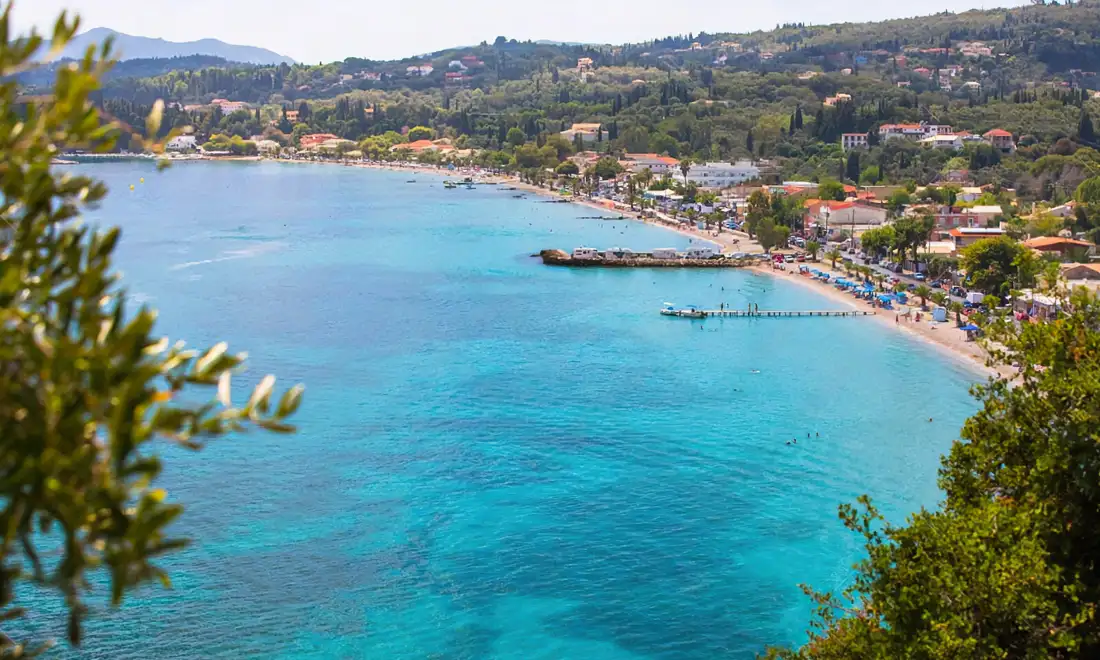
Dassia and Ipsos are two seaside settlements located on the eastern coast of the Greek island of Corfu, each year attracting large numbers of tourists. They are particularly well-known for the entertainment and nightlife they offer, making them popular destinations especially during the summer months. Their dynamic atmosphere, vibrant energy, and coastal charm make them key hubs in the island's tourism network.
The first of the two that one encounters when arriving from Corfu Town is Dassia. This village features a mix of luxurious hotels, both budget and upscale rental apartments, and a wide array of restaurants that satisfy every culinary preference, offering a broad palette of flavors, from local Corfiot dishes to international cuisine. Along both the main road and the one that leads toward the beach, visitors can find a wide selection of shops that meet nearly every need, supplying tourists with anything from beachwear and souvenirs to essentials for a comfortable stay.
From Club Med to Coastal Nightlife: Dassia and Ipsos Blend Historic Tourism, Youthful Energy, and Hidden Nature on Corfu’s Vibrant and Evolving Eastern Shoreline
The history of Club Med
Dassia’s transformation into a tourism hotspot is not accidental. This once quiet fishing village played a historic role in the development of mass tourism in Greece. During the 1960s and 70s, it became one of the first areas on the island and in the country to welcome large numbers of foreign visitors. A major reason for this was the establishment of the Club Mediterranee (Club Med) in Dassia. This pioneering resort concept, originally launched along the coasts of Western Europe, encouraged young people to discover the joys of camping and nature while socializing in an informal and relaxed setting.
Club Med had a transformative effect not only on Corfu’s tourism but also on its cultural landscape. It introduced the island’s residents to new European lifestyles, customs, and habits, influencing the local culture in ways that endure to this day. Over time, the resort became more popular and well-recognized, remaining in operation until the early 1990s. Eventually, it gave way to more contemporary forms of tourism, but the foundation it laid for the local industry remains significant.
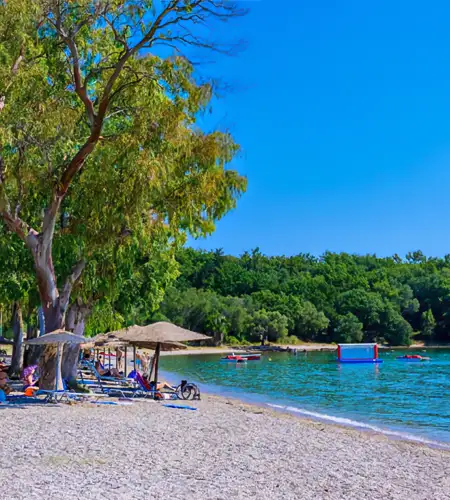
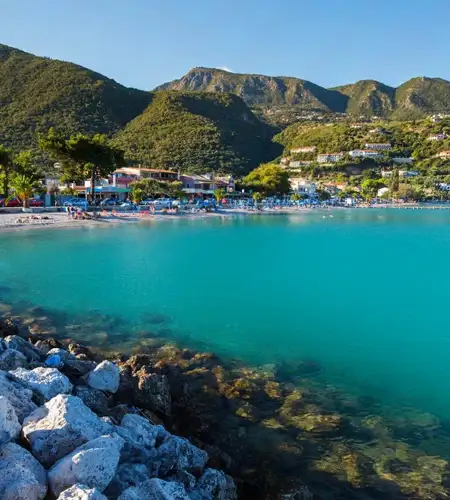
Following this wave of development, the neighboring settlement of Ipsos also began to flourish. Located just a few meters from Dassia, Ipsos is distinguished by its main road, which runs parallel to the beachfront and is lined with shops, cafes, and bars. The village has become especially popular among young tourists, who are drawn by the affordable accommodation options, casual vibe, and lively nightlife. Along the coastline, visitors can find an abundance of clubs and bars that stay open throughout the summer, often operating until the early hours of the morning.
Ipsos is often regarded as a haven for those seeking fun and social interaction, and during the summer season it pulses with energy. Its vibrant, almost cosmopolitan atmosphere, combined with its beautiful coastal setting, makes it a magnet for youth from all over Europe. Both settlements Dassia and Ipsos offer a balance of relaxation by day and exuberant activity by night.
Beyond the beaches and nightlife, however, the region surrounding Dassia and Ipsos holds lesser-known treasures of Corfiot nature and culture. One such hidden gem is the beach of Dafnilas, a tranquil and picturesque location removed from the island’s busier coastal spots. Nestled near the mouth of a small stream, this beach is particularly beloved by locals who visit it to escape the heat during the summer and enjoy the calm waters in a more private setting.
Visitors to the Dassia-Ipsos area also have opportunities for more active and nature-focused experiences. The surrounding hills and olive groves offer ideal terrain for hiking and cycling, allowing guests to immerse themselves in the characteristic natural beauty of the Corfiot countryside. Just a short distance from Dassia stands one of the island’s most beautiful and architecturally unique buildings: Castello Bibelli, also known as Villa Bibelli.