Beyond Corfu’s bustling coastline and verdant hillsides lies a trio of remote islands that few travelers ever discover. The Diapontia islands, comprising Erikoussa, Mathraki, and Othoni, float in the turquoise waters northwest of their famous neighbor, offering an authentic glimpse into traditional Greek island life. These tiny outposts, each with populations barely reaching triple digits, remain blissfully untouched by mass tourism and modern development. Here, time moves to the rhythm of fishing boats returning to harbor, and the only sounds breaking the silence are waves lapping against pristine beaches and church bells echoing across olive groves.
Visiting the Diapontia islands means embracing simplicity and solitude. There are no luxury resorts, bustling nightlife, or crowded attractions, just unspoiled landscapes, warm hospitality from local families, and the kind of tranquility that has all but disappeared from mainstream Greek destinations. Whether you seek complete disconnection or simply want to experience the Ionian Islands as they existed decades ago, these forgotten jewels offer an unforgettable escape from the ordinary.
Where the Diapontia islands are located and how to reach them
The Diapontia islands are situated in the northern Ionian Sea, approximately 7 to 12 kilometers northwest of Corfu’s northernmost point. The archipelago consists of three inhabited islands, Erikoussa, Mathraki and Othoni, along with several smaller uninhabited islets. These remote islands form the westernmost point of Greece, making them a genuine frontier destination.
Reaching the Diapontia islands requires careful planning, as ferry services operate on limited schedules. The primary departure point is Agios Stefanos in northwest Corfu, where small passenger ferries run several times per week during the summer season, typically from May through September. Journey times vary between 45 minutes to two hours depending on the destination island and sea conditions.
During peak summer months, additional ferry connections operate from Corfu Town’s new port, though these services are less frequent. The ferry Alexandros II serves the main route, but schedules change annually and can be affected by weather. Winter services are significantly reduced, often running just once or twice weekly.
Private boat charters offer more flexible access for visitors with specific itineraries, departing from various points along Corfu’s northwest coast. It is essential to confirm ferry schedules in advance through local tourist offices or directly with ferry operators, as services can be canceled due to adverse weather conditions common in this exposed part of the Ionian Sea.
Erikoussa: the smallest island with the most beautiful beaches
Erikoussa stands as the smallest of the three Diapontian islands, covering just 2.7 square kilometers, yet it boasts the most spectacular beaches in the archipelago. With a permanent population of fewer than 50 residents, this tranquil island offers visitors an authentic glimpse of traditional Greek island life away from the tourist crowds.
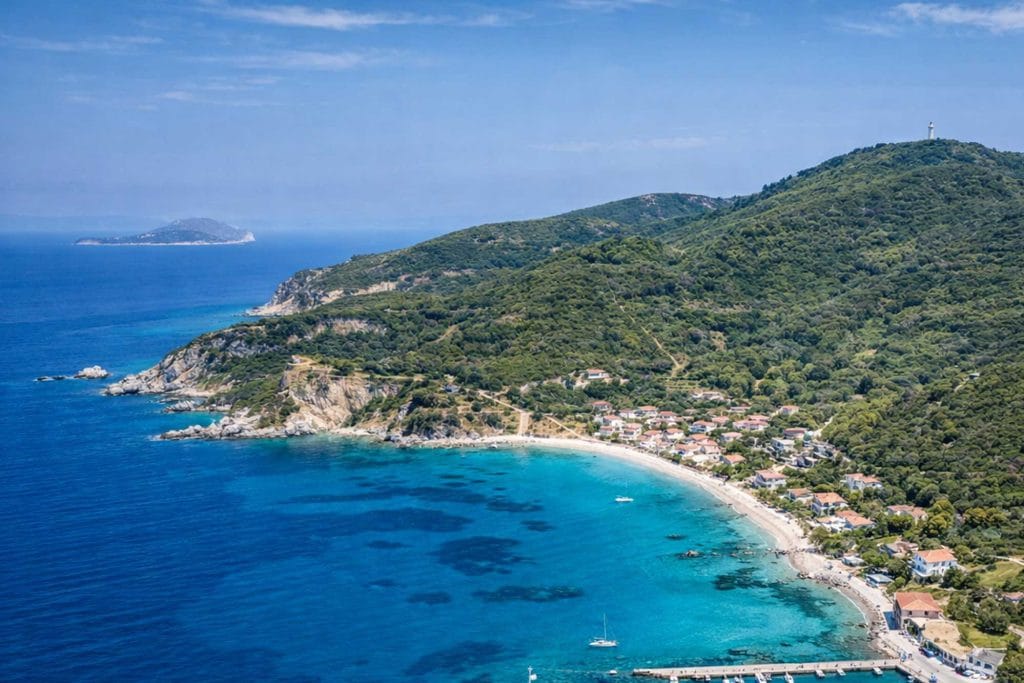
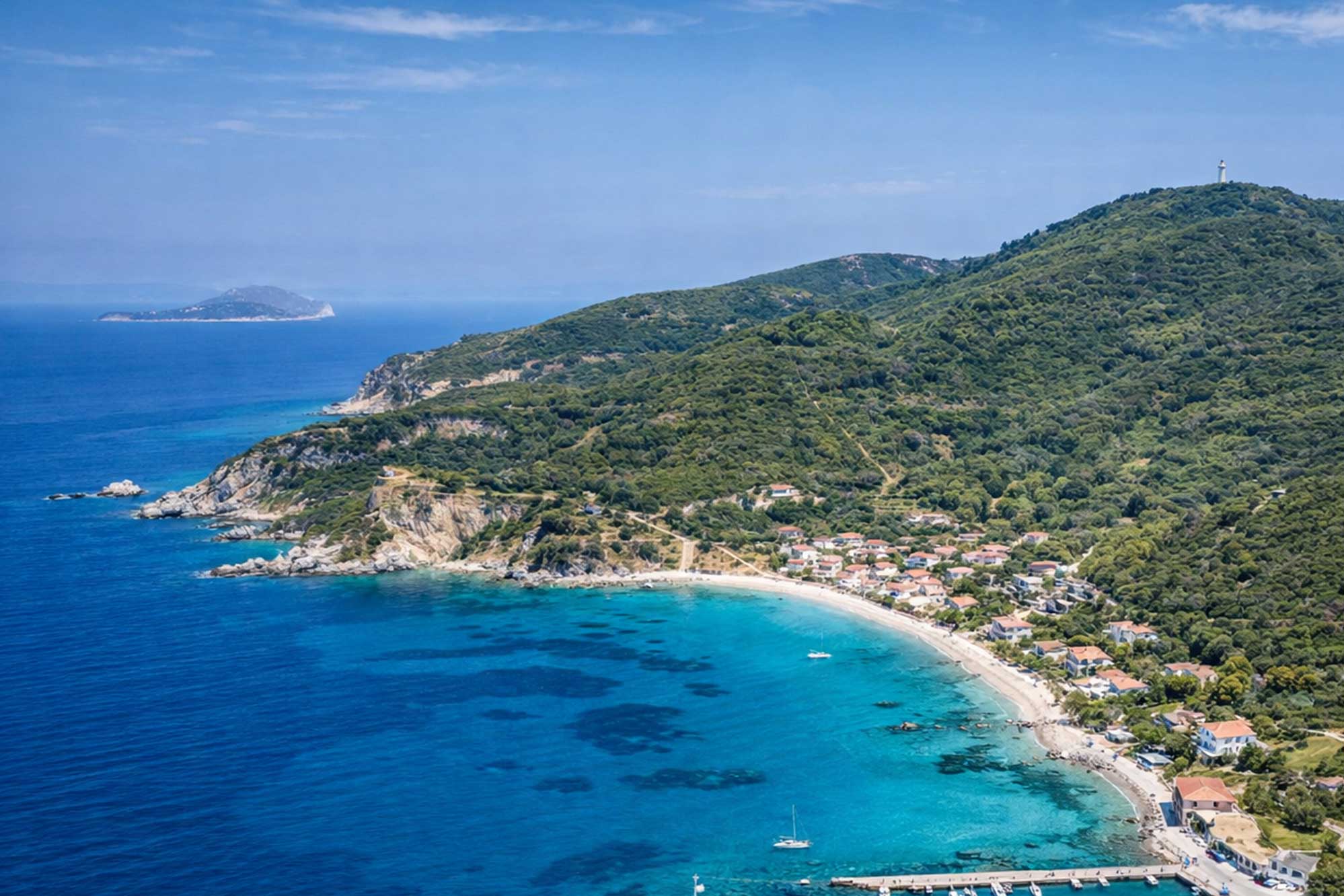
The island’s crown jewel is Porto Beach, a stunning stretch of golden sand and turquoise waters that rivals any beach in the Mediterranean. The sandy coastline extends for nearly half a kilometer, backed by fragrant juniper trees and tamarisk bushes that provide natural shade during the summer months. The crystal-clear waters remain shallow for several meters from shore, making it ideal for families with children.
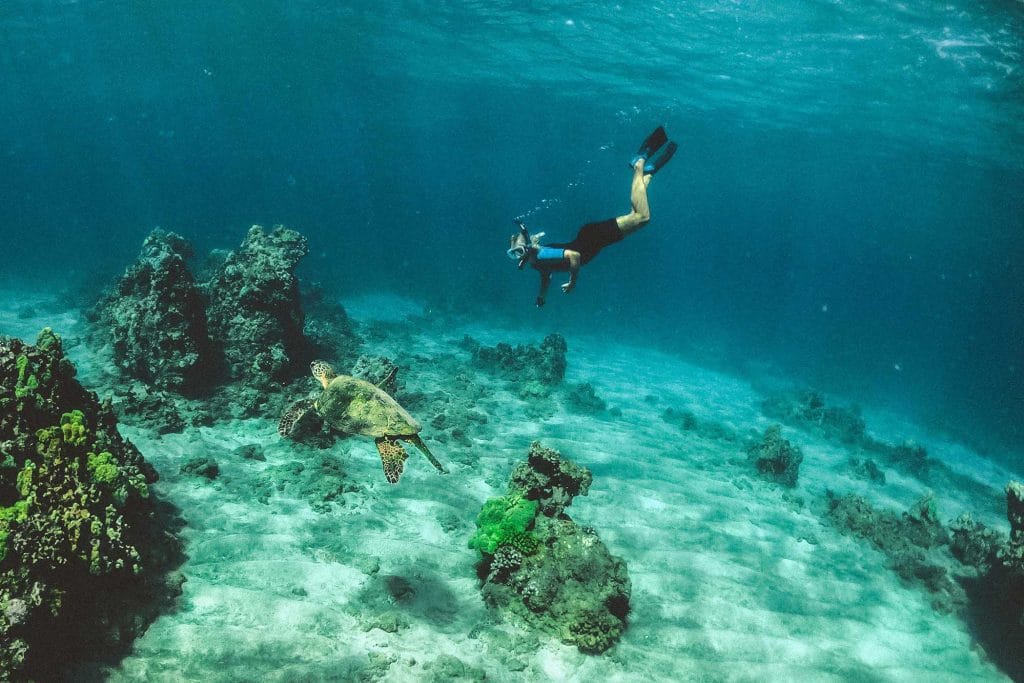
Bragkini Beach, located on the western coast, provides a more secluded alternative for those seeking solitude. This pebble beach offers dramatic sunset views and is particularly popular with snorkelers due to its rocky underwater landscape teeming with marine life.
The village of Erikoussa, perched on a hillside overlooking the sea, features whitewashed houses adorned with colorful shutters and flower-filled balconies. Several traditional tavernas serve fresh fish and local specialties, while the small harbor welcomes daily ferry services from Corfu Town and neighboring islands during the summer season.
Mathraki: the greenest and most tranquil of the three
Mathraki, the middle island in this trio, lives up to its reputation as the greenest of Corfu’s Diapontian islands. Dense olive groves and lush vegetation blanket its 3.5 square kilometers, creating an almost jungle-like atmosphere in places. With fewer than 50 permanent residents, this is where tranquility reaches its peak.
The island’s main settlement clusters around the small port, where a handful of traditional tavernas serve fresh seafood and home-cooked Greek dishes. Unlike its neighbors, Mathraki feels more remote and unspoiled, attracting visitors who seek genuine escape from modern life. There are no hotels in the conventional sense, only a few rooms to rent in local homes.
Mathraki’s beaches are its crowning glory. Portello Beach on the western coast stretches for nearly two kilometers of golden sand, backed by wind-sculpted dunes and cedar trees. The beach remains almost entirely undeveloped, with no sunbeds or umbrellas, just pristine nature. On calm days, the turquoise waters here rival any Caribbean beach.
The island has limited infrastructure, so visitors should come prepared. There is one small shop for basic supplies, and electricity comes from generators. Mobile phone coverage can be patchy. This isolation is precisely what makes Mathraki special, a place where time genuinely seems to stand still.
Othoni: the westernmost point of Greece
Othoni stands as Greece’s westernmost inhabited island, a distinction that comes with spectacular sunsets and a sense of being at the edge of the Hellenic world. With a population of fewer than 400 residents, this 10 square kilometer island maintains an authentic Greek island atmosphere largely untouched by mass tourism.
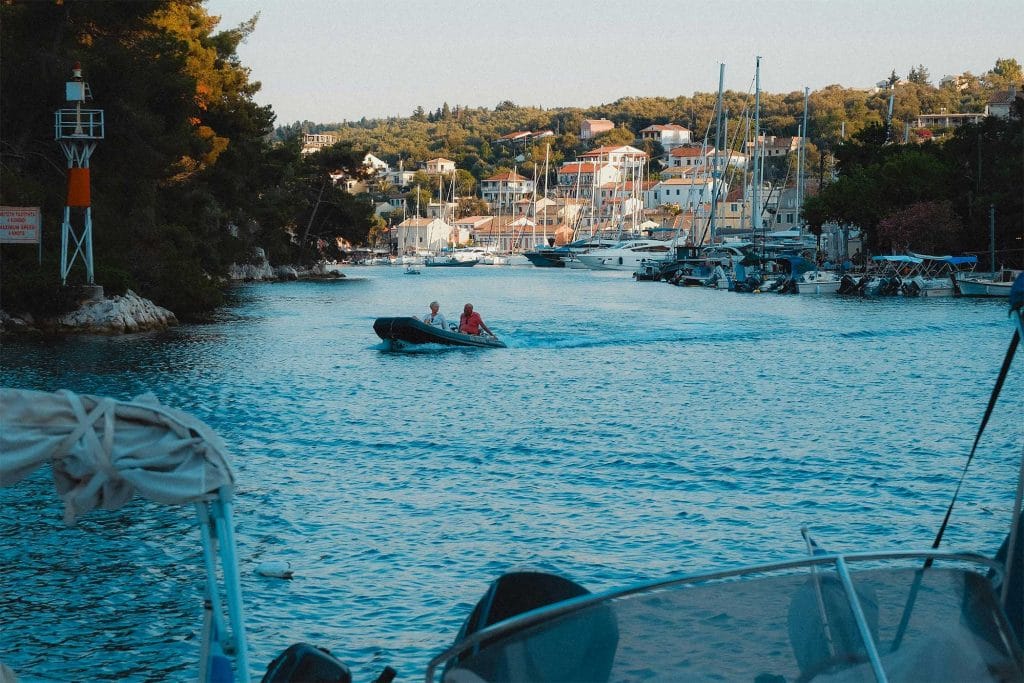
The island’s main settlement, Ammos, sits on the eastern coast and serves as the primary port. The village clusters around a small harbor where fishing boats bob alongside the ferry that connects Othoni to Corfu. Behind the waterfront, traditional stone houses climb the hillside, interspersed with tavernas that serve fresh seafood caught by local fishermen.
Othoni’s landscape varies dramatically from rugged cliffs on the western shores to gentler beaches in the east. The island reaches its highest point at 393 meters, offering hiking opportunities through olive groves and Mediterranean scrubland. Those who make the trek are rewarded with panoramic views extending to the Albanian coast on clear days.
Swimming spots include Aspri Ammos, a sandy beach near the port, and Fyki, a more secluded cove accessible by boat or a challenging walk. The island’s remote location means the sea remains remarkably clean, with visibility that delights snorkelers exploring the rocky coastline.
What to expect when visiting these remote islands
These three Diapontia islands offer a remarkably different experience from Corfu’s bustling tourist centers. Visitors should prepare for genuine remoteness, where basic amenities are limited and modern conveniences sparse. Mobile phone coverage can be unreliable, particularly on Othoni and Mathraki, and ATMs are nonexistent, so bringing sufficient cash is essential.
The islands operate on a slower rhythm governed by ferry schedules rather than tourist demands. Accommodation options are modest, typically family-run guesthouses and simple rooms rather than hotels. Dining choices are equally limited to a handful of traditional tavernas serving fresh, locally sourced meals. Booking ahead during summer months is advisable, as capacity is restricted.
Infrastructure remains deliberately underdeveloped to preserve the islands’ character. Roads are mostly unpaved tracks, and rental vehicles are virtually unavailable. Most exploration happens on foot along coastal paths and through olive groves. This isolation appeals to travelers seeking authentic island life and complete disconnection from mass tourism.
Weather conditions significantly impact accessibility. During winter months and rough seas, ferry services can be cancelled without notice, potentially extending visits unexpectedly. Summer brings calm waters but intense heat, with limited shade in exposed areas. Visitors should pack accordingly, including sun protection, sturdy footwear, and any personal necessities that might be unavailable locally.
Best time to visit and practical travel tips
The best months to visit these islands are May through June and September through early October, when temperatures remain pleasant and the Ionian Sea is calm enough for reliable ferry connections. July and August bring peak summer heat and higher visitor numbers, though the islands never feel truly crowded. Winter services are extremely limited, with ferry schedules reduced significantly from November through March.
Ferry departures from Corfu’s main port operate several times weekly, with schedules varying by season. Always confirm times in advance, as weather conditions frequently cause cancellations. Book accommodation well ahead, particularly for summer months, as options are extremely limited on each island. Most guesthouses and rooms operate on a seasonal basis only.
Pack essential supplies including sunscreen, insect repellent, and any prescription medications, as shopping facilities are minimal. Bring sufficient cash in euros, as ATMs are non-existent and card payments are rarely accepted. A reliable flashlight is advisable since street lighting is sparse.
Be prepared for a slower pace of life with basic infrastructure. Mobile phone coverage can be patchy, and internet connectivity is often unreliable. These limitations are part of the islands’ authentic charm, offering visitors a genuine escape from modern connectivity and a glimpse into traditional Greek island life largely unchanged by mass tourism.
- The Diapontian Islands
- Top 5 Day Cruises from Corfu: Syvota, Paxos, and Beyond
- Beyond Paxos: Exploring Lesser-Known Ionian Islands by Yacht
- Corfu Sailing Itineraries: 7-Day Routes Through the Ionian Islands
- Ionian Islands Yacht Charter, Complete Guide to Greece’s Best Sailing
- Sivota Greece, The Secret Fjords of the Ionian Sea