Gouvia and Kontokali
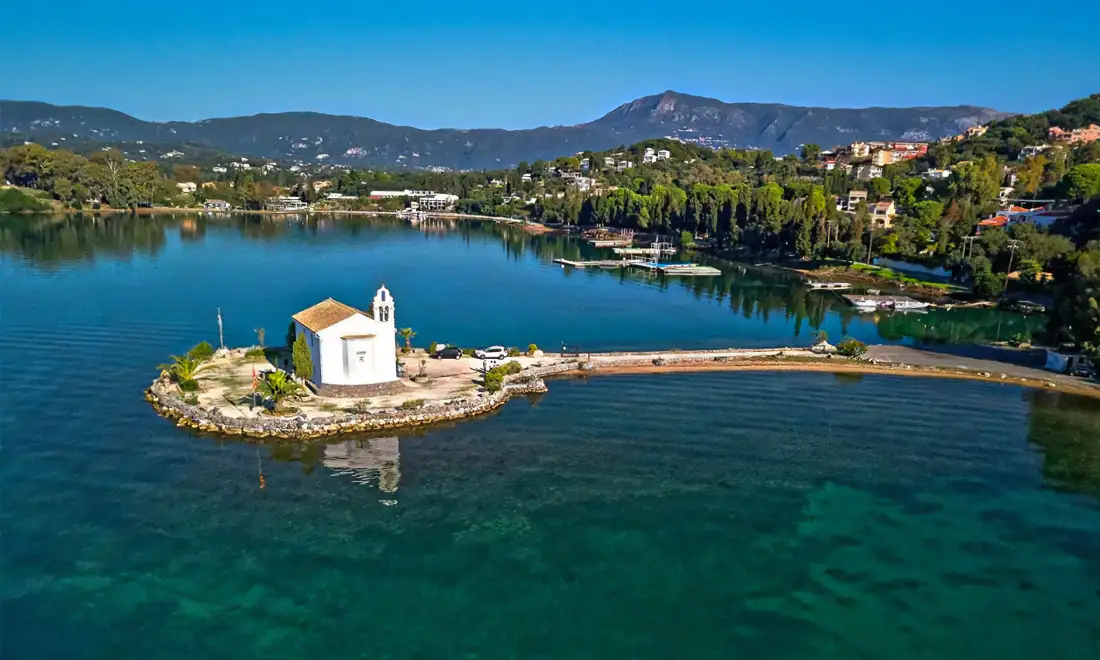
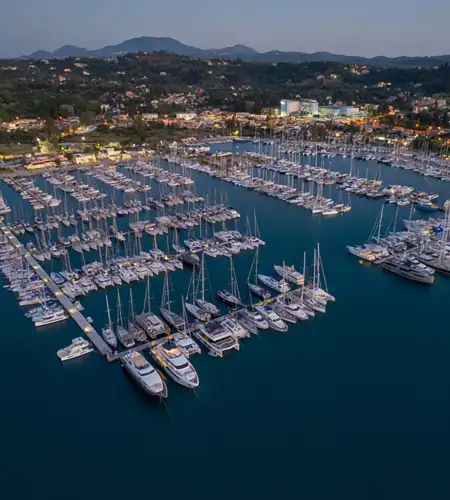
Gouvia and Kontokali are two of the fastest-growing settlements located to the north of Corfu Town. Just a few kilometers from the island’s historic center, these areas represent a modern extension of Corfu’s urban landscape. Once modest fishing villages, far removed from the cosmopolitan character they now embody, Gouvia and Kontokali have undergone remarkable transformation. With the rapid growth of tourism and the broader development of Corfu, these coastal settlements have effectively become suburbs of the main town. At the same time, they have evolved into popular tourist resorts, attracting visitors who seek relaxation, entertainment, and the modern comforts that the tourism industry now readily provides.
In both Gouvia and Kontokali, visitors will find a wide range of accommodations from small family-run hotels to large luxury resorts as well as numerous holiday apartments, most of which operate primarily during the summer season. The region boasts an impressive variety of upscale restaurants, traditional tavernas, bars, and nightclubs that cater to all tastes and preferences. Whether one is eager to explore authentic local specialties or embark on a gourmet culinary journey, Gouvia and Kontokali are well-equipped to satisfy even the most discerning palates.
From Fishing Villages to Cosmopolitan Resorts: The Transformation of Gouvia and Kontokali into Vibrant Tourist Hubs Blending History, Modern Comfort, and Seaside Adventure in Corfu
History at last
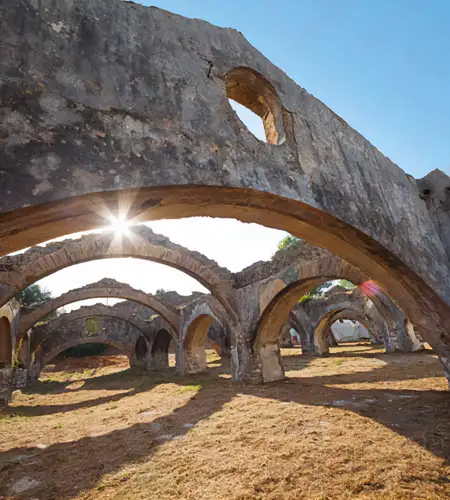
Despite their modern and contemporary feel, these neighboring communities have not entirely severed ties with the island’s rich past. While they may be largely "freed" from the historical weight carried by other parts of Corfu, they still retain some visible remnants of bygone eras that tell stories of the island’s history. One such example is the Venetian shipyards, located only a few meters from the sea in the Gouvia area. These historic structures were strategically built in this location as it offered a fortified and ideal harbor for the Venetian navy’s ships. Over time, the strategic importance of the site diminished, particularly after the decline of the Venetian Republic. However, Gouvia’s historical significance briefly reemerged during World War I, when large parts of the Serbian army and population took refuge in Corfu. Many found shelter in Gouvia, staying there for an extended period. This chapter in the area's history serves as a reminder of its role in broader European events.
Following the end of this turbulent era, both Gouvia and Kontokali faded into relative obscurity. For decades, they remained in quiet rural areas primarily agricultural lands or estates associated with the town of Corfu and the surrounding villages. It wasn't until the tourism boom of the late 20th century that these locations began to flourish, becoming integral parts of Corfu’s touristic and economic life.
Today, Gouvia and Kontokali are home to both permanent residents and expatriates who have chosen to settle on the island, drawn by its charm and lifestyle. This blend of locals and international inhabitants creates a dynamic and diverse community. One of the area’s most appealing attributes is the variety of recreational activities it offers both on land and at sea. These options continue to attract more and more visitors each year.
For those who love sports and adventure, Kontokali’s beach is a prime destination. The beach offers numerous water-based activities, from thrilling rides and jet skiing to leisurely boat trips along the coast. These experiences provide a unique and exhilarating way to enjoy the Ionian Sea and make the most of your holiday, creating unforgettable memories that will stay with you long after your trip ends.