Table of Contents
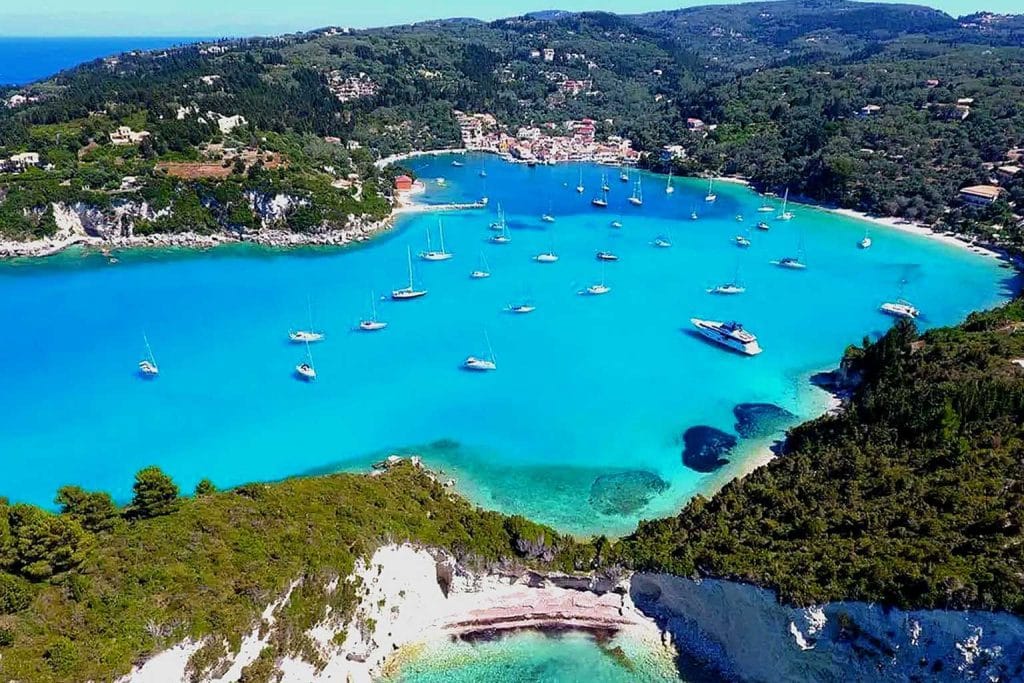
Family vacations create the memories children carry into adulthood and eventually share with their own children, making activity choices that engage kids while satisfying parents’ desires for meaningful experiences critically important. Yacht cruises with 99knots in Corfu excel at this balance, providing adventures that genuinely excite children of all ages while delivering the relaxation, beauty, and quality time that parents seek. The natural activities like swimming, exploring, and discovering marine life appeal to kids’ innate curiosity and energy while the contained yacht environment provides security allowing parental relaxation impossible in sprawling resorts where children might wander off. However, successful family yacht cruises require understanding how to manage children’s safety in maritime environments, keeping various ages engaged during different cruise segments, and preparing appropriately for needs ranging from diapers for toddlers to entertainment for teenagers. With proper planning and understanding of what makes yacht cruises work well for families, these experiences become vacation highlights that children request repeating year after year.
The beauty of yacht cruising for families lies in how it naturally accommodates different ages and energy levels within single experiences. While one activity like organized resort kids’ clubs might work for specific age ranges, yacht cruises offer simultaneous engagement for toddlers splashing in shallow water, elementary kids snorkeling for fish, teenagers attempting paddleboarding, and parents relaxing on deck watching it all. This multi-generational engagement happens organically without forcing anyone into age-inappropriate activities or separating families into different programs. The yacht becomes your floating base camp where everyone pursues their interests while remaining together, creating that elusive combination of individual engagement and family togetherness that makes truly successful family vacations. Your 99knots captain understands family dynamics through extensive experience with children of all ages, offering guidance about activities matching different developmental stages while ensuring safety protocols protect even the youngest adventurers.
Age-by-Age Activity and Safety Guide
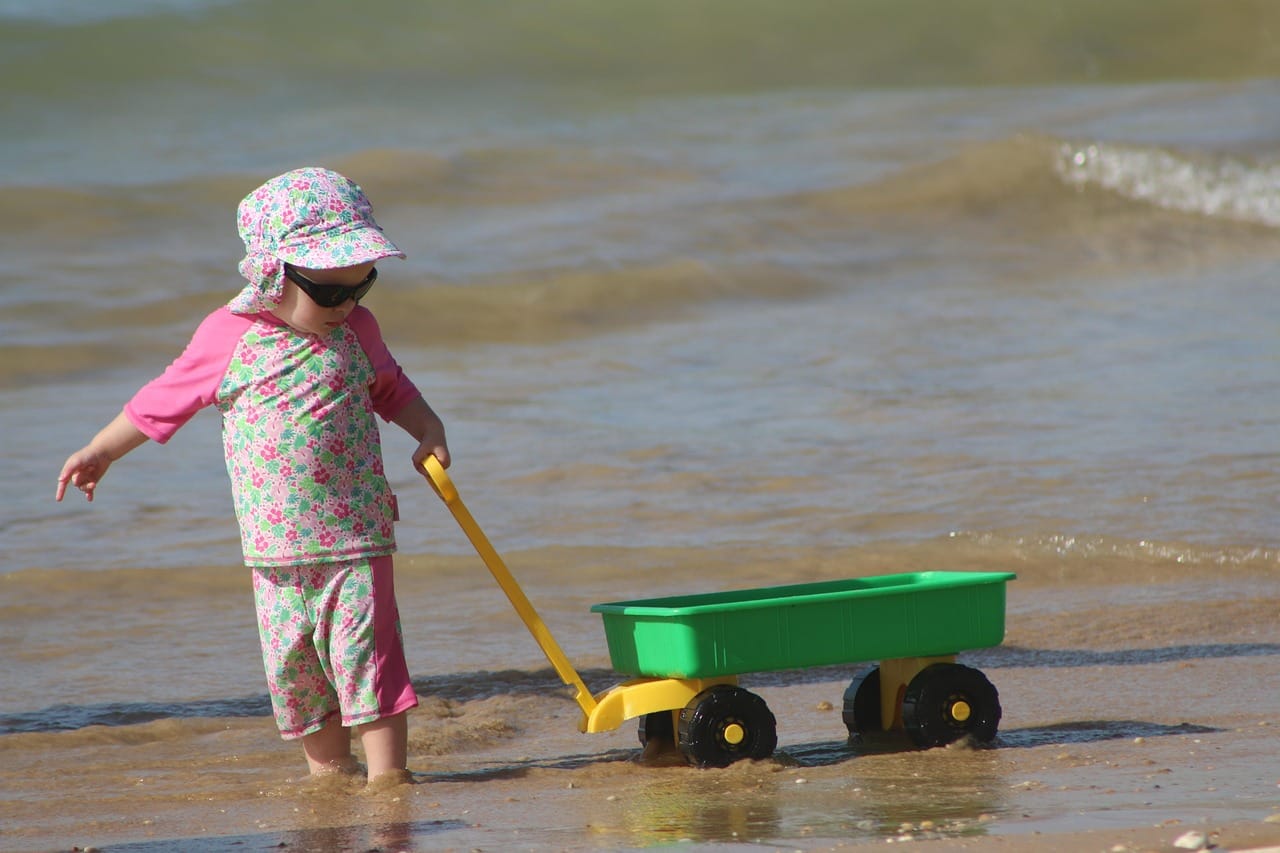
Infants and toddlers up to age three present unique challenges but can absolutely enjoy yacht cruises with proper preparation and realistic expectations. These youngest cruisers primarily need safety, comfort, and some engagement without expecting them to appreciate the scenic beauty that captivates adults. The yacht’s movement often soothes babies, with gentle rocking creating natural napping conditions that give parents rare vacation relaxation. For waking periods, simple activities like watching the water, feeling the breeze, playing with brought-along toys, and experiencing the novelty of the boat environment provide adequate engagement for this age. Safety requires constant supervision, life jackets during any deck time if parents choose, sun protection through shade and proper clothing rather than relying solely on sunscreen for youngest skin, and ensuring the contained spaces prevent any possibility of accessing edges or water without parental presence.
Preschool children ages three to five begin genuinely enjoying yacht activities with proper introduction and supervision. Swimming from the yacht platform becomes possible for water-comfortable kids with flotation support, creating excitement that makes the day memorable. These children can attempt paddleboarding with parents in calm water, more as play than actual paddleboarding but building confidence and creating fun. Looking for fish while snorkeling or from the yacht engages their natural curiosity about animals and nature. The key for this age involves managing energy and attention spans through varied activities rather than expecting sustained engagement with single pursuits. Short swimming sessions, brief paddleboard attempts, snack breaks, and simply cruising while watching the scenery create adequate variety preventing boredom and meltdowns. Safety requires flotation devices, constant supervision, and captains selecting calm, shallow locations for water activities where children can touch bottom if needed.
Elementary school children ages six to eleven often represent the sweet spot for yacht cruising as they’re old enough for genuine activities but still young enough to find everything exciting. Swimming becomes extended play rather than brief sessions, with these kids happily spending an hour or more in the water if conditions permit. Snorkeling reveals underwater worlds that fascinate this age, particularly spotting fish, octopuses, or sea urchins creating excitement they share enthusiastically. Paddleboarding becomes achievable with most seven-plus kids successfully standing and paddling in calm conditions, building genuine skills and confidence. Jumping from the yacht platform into water creates thrills they’ll recount for months, that perfect combination of safe adventure and actual accomplishment. The captain can involve these children in navigation or boat operations in small ways, letting them hold the wheel under supervision or teaching about reading navigation charts, engaging their desire to be helpful and learn new things.
Teenagers present different challenges as they’re physically capable of all activities but sometimes resistant to family outings they perceive as uncool or boring. The key to teenage engagement involves offering genuine challenges and freedom appropriate to their increased capabilities. Most teenagers master paddleboarding quickly, creating opportunities for friendly competitions or explorations slightly away from the yacht under supervision. Snorkeling becomes more serious exploration rather than simple observation, perhaps tasking teens with photographing interesting finds or identifying species using guides. Cliff jumping at appropriate heights appeals to many teenagers’ desire for controlled risk and physical challenges. Giving teenagers some autonomy and responsibility, perhaps letting them DJ the music or helping younger siblings with water activities, often increases their engagement by making them feel valued rather than dragged along on parents’ vacation plans.
Mixed-age families with multiple children spanning different stages require flexible approaches accommodating everyone simultaneously. The strength of yacht cruises for these families lies in how different activities can happen simultaneously without separation. While toddlers play in shallow water with one parent, elementary kids snorkel under another parent’s supervision, and teenagers attempt paddleboarding nearby, the whole family remains together sharing space and experience even though specific activities differ. This beats the typical split-up family vacations where parents divide supervising different activities at different locations, rarely actually spending time together. The captain helps orchestrate this multi-age engagement by selecting locations offering varied depth and activities, timing stops appropriately for different energy levels, and providing the oversight that allows parents to focus on their own children rather than worrying about navigation or overall cruise management.
Essential Safety Measures for Children
Life jacket requirements and usage represent the first safety consideration for families with children. 99knots yachts carry life jackets in all sizes from infant through adult, ensuring proper fit for every family member. The question of when jackets must be worn versus when they’re optional depends on age, swimming ability, and current activity. Non-swimmers should wear jackets whenever on deck, not just during water activities. Young children regardless of swimming ability benefit from jackets during cruising when boat movement might cause unexpected loss of balance. During swimming activities, the decision balances building confidence through independence against ensuring safety through flotation. Many families compromise by using jackets initially then removing them for confident swimmers in calm, supervised conditions, or using partial flotation like water wings rather than full jackets for swimmers who need some support.
Boundaries and rules about yacht movement require clear establishment and consistent enforcement. Children must understand which areas are safe to access independently and which require parental presence. Most yachts establish simple rules like staying away from edges without parent present, no running on deck where slippery surfaces or movement could cause falls, and always telling parents before moving from one area to another. These rules aren’t about eliminating independence but creating safe frameworks where children can explore appropriately while parents maintain oversight. The contained yacht environment makes these boundaries easier to enforce than sprawling resorts, but they still require clear communication and consistency.
Sun protection for children requires more aggressive measures than adult protection due to their sensitive skin and reduced awareness of accumulating exposure. Beyond high-SPF reef-safe sunscreen applied liberally and frequently, children benefit from UV-protective clothing like rash guards and hats providing physical barriers to sun exposure. Creating shaded areas on deck using yacht canopies or brought-along beach umbrellas provides refuge during the midday intensity when sun protection becomes most critical. The reflection off water intensifies exposure beyond typical land-based situations, and children absorbed in activities forget to mention when they’re getting too much sun, making parental monitoring essential to prevent burns that ruin subsequent vacation days.
Hydration monitoring prevents the fatigue, headaches, and general crankiness dehydration causes in active children spending hours in sun and water. Make water readily available and encourage drinking beyond when children express thirst, as thirst indicates already significant dehydration. The combination of physical activity, sun exposure, and potentially salt water ingestion while swimming creates dehydration risks that parents must actively manage rather than assuming children will self-regulate fluid intake adequately. Bringing juice boxes or flavored water sometimes helps for kids who resist plain water, ensuring they maintain hydration through whatever drinks they’ll actually consume willingly.
Emergency preparedness includes ensuring children know basic safety procedures in age-appropriate ways without creating anxiety. Older children should understand where life jackets are stored and how to don them. Everyone should know the captain is the authority in safety situations and commands must be followed immediately without question or delay. However, avoid frightening younger children with excessive emergency scenarios. The balance involves ensuring adequate preparation without creating anxiety that diminishes their enjoyment or creates fear of boat environments.
Keeping Kids Engaged Throughout the Cruise
Swimming activities provide the core engagement for most children, but understanding how to vary and structure these activities prevents even water-loving kids from becoming bored. Start with free swimming and playing, allowing children to simply enjoy the water without structured activities. This unstructured time often generates organic games and exploration driven by children’s imaginations. After this initial energy release, introduce structured activities like underwater treasure hunts where parents throw dive toys that children retrieve, swimming races to designated points and back, or synchronized swimming attempts that usually dissolve into laughter. For snorkeling children, create missions like counting specific fish species or finding particular objects, transforming observation into engaged activity with purposes beyond simple looking.
Paddleboarding engages children both as individual challenge and parent-child bonding activity. Young children can sit on boards while parents paddle, creating shared adventure without expecting too much of small kids’ abilities. As children age and develop confidence, they progress from kneeling to standing with parental assistance, eventually achieving independent paddling success that builds genuine confidence and creates accomplishment they’re proud sharing. Making paddleboarding playful rather than focusing on proper technique keeps it fun, perhaps racing to see who can paddle to a buoy first or trying to make each other fall off through splashing contests that maintain energy and laughter.
Marine life discovery transforms passive cruise time into engaged exploration when children participate actively in spotting fish, birds, jellyfish, or other creatures visible from the yacht or while swimming. Providing simple identification guides turns spotting into learning experiences, and challenges like “who can spot five different fish species” create friendly family competitions. Photography adds another dimension as older children document finds using waterproof cameras or phones in protective cases, creating tangible records of discoveries they’ll review enthusiastically later. These observation activities particularly help during cruising segments when physical activity isn’t possible but maintaining engagement prevents the “are we there yet” restlessness that sometimes affects younger kids during transit periods.
Games and entertainment for downtime prevent boredom during meals, rest periods, or simply cruising between locations. Card games, travel-sized board games, or stories and songs create engagement without requiring space or setup. Older children and teenagers benefit from understanding that some cruise time involves simply relaxing and enjoying scenery, learning to appreciate peaceful moments rather than requiring constant activity stimulation. However, having backup entertainment options prevents the meltdowns that occur when children hit activity saturation or fatigue but aren’t ready for quiet rest.
Practical Tips for Parents
Packing for children requires balancing thoroughness against avoiding excessive luggage that clutters limited yacht space. Essential items include multiple swimsuits allowing rotation while others dry, several towels since children use them prolifically, complete sun protection including reef-safe sunscreen, UV clothing, and hats, any necessary flotation devices beyond what the yacht provides, plastic bags for wet items and dirty clothes, basic first aid supplies including motion sickness medication if your children are prone, snacks beyond any provided meals particularly for picky eaters, and modest entertainment like books or small games for downtime. What not to bring matters equally: excess toys that clutter and often go unused, too many clothing changes as most yacht time involves swimwear, glass containers that risk breaking, and excessive electronic devices that usually distract more than enhance the experience.
Timing your charter appropriately based on children’s schedules dramatically affects success. Morning departures work well for most families as children start fresh and energetic, but ensure adequate breakfast before boarding as hungry kids become cranky kids quickly. For families with young children requiring naps, full-day charters provide opportunities for onboard napping during midday cruising, often actually easier than resort naps as yacht movement soothes children to sleep. Half-day charters might better suit families with very young children or those concerned about stamina, providing substantial experience without the exhaustion that too-long days create for small kids.
Meal planning requires considering children’s often picky preferences alongside adults’ desires for quality food. Bringing kid-friendly snacks and meals ensures children have options they’ll actually eat rather than hoping they’ll embrace Greek taverna food they’ve never tried. However, also encourage trying new foods in small quantities, using vacation as opportunities for culinary expansion without making it stressful. The combination of familiar comfort foods and small adventurous portions usually works well, keeping kids fed and content while occasionally expanding their palates.
Managing expectations with children before the cruise prevents disappointment or misbehavior stemming from misunderstanding what the day involves. Explain what yacht cruising entails, establishing realistic activity expectations and behavioral requirements. Frame the safety rules and boundaries as necessary for everyone’s enjoyment rather than arbitrary restrictions on their fun. For older children and teenagers, involve them in planning decisions where possible, perhaps letting them help choose between alternative destinations or activity options, creating buy-in and enthusiasm rather than feeling dragged along on parents’ predetermined plans.
Photography deserves attention as these family memories become treasured documentation of children’s youth and family togetherness. Designate someone to focus on capturing candid moments rather than everyone’s individual snapshot attempts that often miss the best genuine moments. Action shots of kids jumping, swimming, or playing create dynamic memories more interesting than posed photos. However, also take some composed family photos in beautiful settings, documentation you’ll treasure as children grow.
How 99knots Captains Support Families
The 99knots captain’s experience with families means they understand children’s needs and dynamics without requiring extensive explanation. They know which locations work best for various ages, understanding that calm, shallow bays suit young children while older kids benefit from locations offering varied depths and features enabling different activities. They time stops appropriately, understanding that children’s attention spans require varied shorter stops rather than extended periods in single locations. They read children’s energy and engagement levels, suggesting activity changes when they observe attention waning or suggesting rest when they notice fatigue signs parents might miss while focused on their own children.
The captain’s interaction with children balances friendliness with appropriate authority, creating positive relationships while maintaining the respect necessary for safety. Many captains naturally engage children through small teaching moments about navigation, weather, or marine life, adding educational dimensions to pure recreation. They praise children’s accomplishments like successful paddleboarding or brave jumps from the platform, providing external validation that often carries more weight than parental praise precisely because it comes from the respected captain rather than supposedly biased parents.
Safety oversight from captains allows parents to relax into vacation mode rather than maintaining constant hypervigilance. The captain monitors children during water activities from the yacht, providing an additional safety layer beyond parental supervision. They intervene appropriately when they observe unsafe behavior developing, protecting children while not undermining parental authority. This shared safety responsibility reduces parental stress significantly, allowing actual vacation relaxation that single-parent families or those accustomed to constant child monitoring rarely achieve.
Flexibility and accommodation for family needs characterize the 99knots approach. If children need bathroom breaks or diaper changes more frequently than anticipated, the schedule adjusts. If someone gets overtired or cranky, the captain might suggest earlier return or altered itinerary reducing demands. If children are having the time of their lives at a particular location and parents want to extend time there, the captain reorganizes remaining plans accommodating this preference. This flexibility ensures your family’s actual needs and enjoyment guide the day rather than rigid adherence to predetermined plans that might not match how your children actually respond to the experience.
Your family yacht cruise with 99knots in Corfu creates vacation memories and togetherness increasingly difficult to achieve in our fragmented modern lives. The combination of adventure and safety, activity and relaxation, independence and family time delivers that elusive balance where everyone in your family, from toddlers to teenagers to parents, finds engagement and enjoyment. The Ionian’s beauty provides the backdrop, the yacht provides the platform, and the professional captain provides the expertise ensuring your family vacation becomes the memory you’ll treasure and your children will request repeating year after year as they grow.
Contact 99knots today to begin planning your family yacht adventure in Corfu and discover why yacht cruises create family bonds and memories lasting far beyond typical vacations. The turquoise water awaits, the yacht is ready, and your children’s most memorable vacation experience is just one family cruise away.