Table of Contents
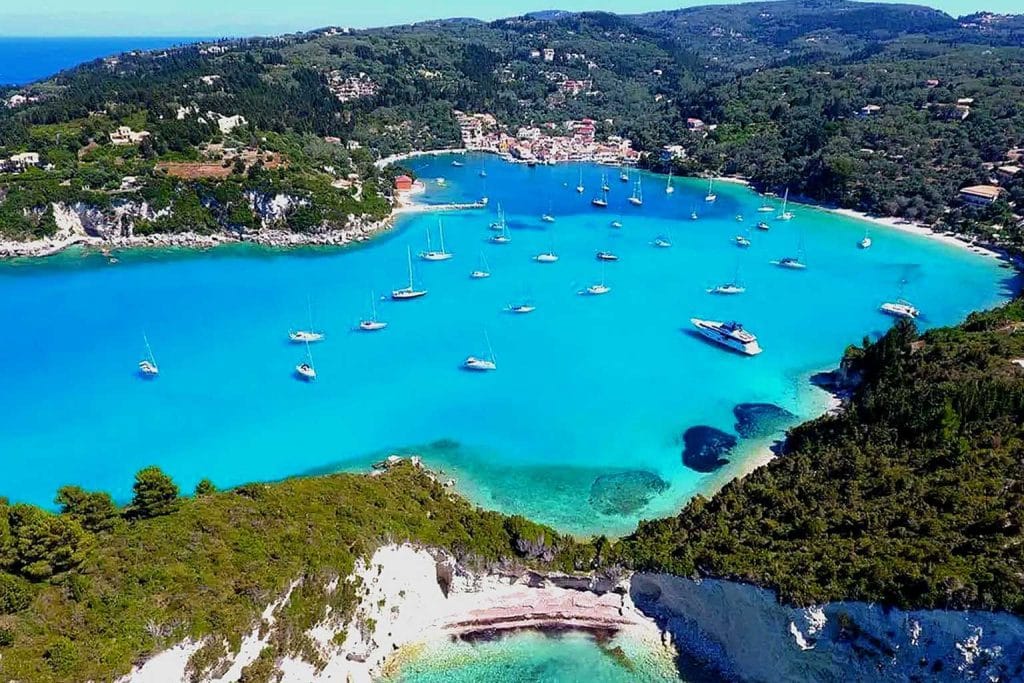
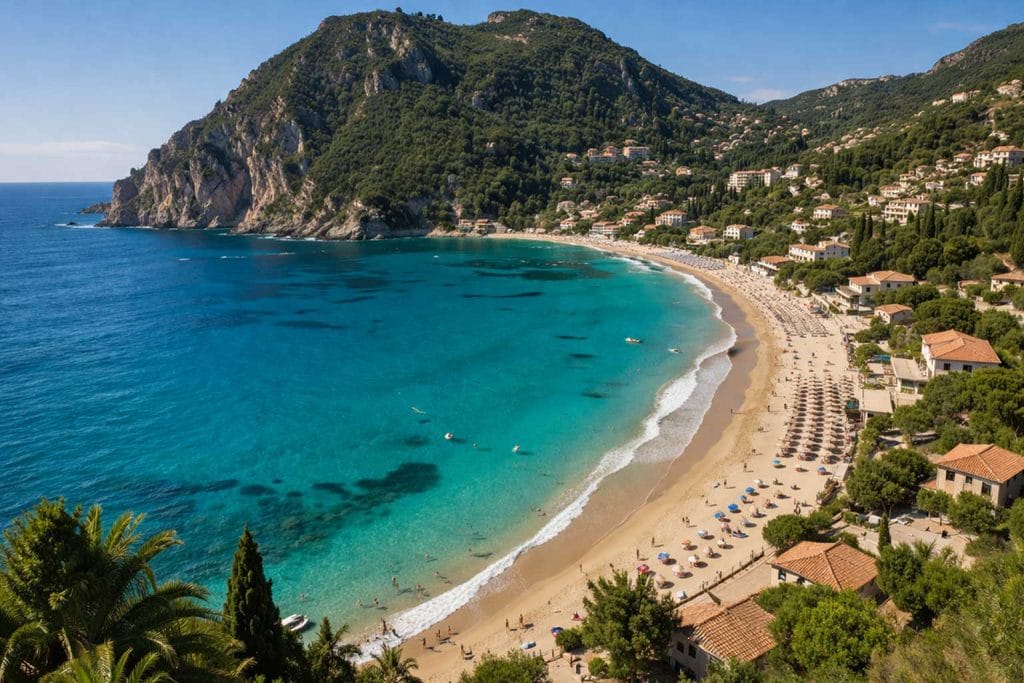
Paleokastritsa stands as Corfu’s most celebrated natural beauty spot, featuring a complex of interconnected bays with crystal-clear turquoise water, dramatic white limestone cliffs rising vertically from the sea, the historic 13th-century monastery perched on promontory overlooking the bays, lush green hillsides covered with cypress and olive trees creating amphitheater backdrop, numerous sea caves allowing swimming exploration, and the overall concentration of natural and cultural beauty that has attracted visitors for centuries including countless artists, writers, and travelers who’ve declared it among the Mediterranean’s most beautiful locations. The fame creates inevitable crowds during peak season when dozens of yachts compete for limited anchorage space while tour buses deliver hundreds of land-based visitors, transforming the peaceful paradise that photographs suggest into busy tourist attraction requiring strategic timing and realistic expectations to fully appreciate. Understanding Paleokastritsa’s geography and the distinct character of each bay, planning optimal timing to minimize crowds while capturing best conditions, navigating the monastery visit and cultural dimensions beyond simple beach beauty, and managing the practical anchoring challenges that the complex bay system presents allows yacht experiences that capture why this location achieved legendary status while avoiding the disappointments that poor planning or peak-season visits can create.
The Bay Complex Geography
Paleokastritsa’s defining characteristic involves multiple interconnected bays creating complex water landscape quite different from single simple anchorages that most destinations provide. The main bays include Agios Spyridon as the largest and most developed, Alipa Bay to the north offering different exposure and character, Agios Petros providing alternative when main bay fills, and smaller unnamed coves scattered throughout the complex each presenting unique characteristics and anchoring possibilities.
The geological formation derives from limestone erosion over millennia, with the distinctive white cliffs carved into complex shapes through wave action, wind, and the relentless Mediterranean weather patterns sculpting dramatic formations. The cliffs rise 50-100 meters from water level in many locations, creating the spectacular vertical walls and the overall dramatic scale that makes Paleokastritsa visually stunning from water level while the clifftop perspectives reveal the full extent of the bay complex and surrounding landscape.
The water depth varies dramatically by location, with some areas dropping to 20+ meters close to shore allowing yachts to anchor relatively near beaches while other sections prove shallow requiring careful navigation. The bottom composition alternates between sand providing good holding, rock creating difficult anchoring, and occasional weed patches that sometimes allow adequate holding while other times preventing proper anchor set. The local knowledge regarding where each bottom type exists proves invaluable for securing reliable anchorage rather than discovering through trial and error that your chosen spot won’t hold.
The orientation and exposure create different conditions in each bay depending on wind direction, with northwest winds affecting bays differently based on their specific alignment and the protection that headlands and cliffs provide. The assessment of which bay provides optimal conditions for current weather requires experience and understanding of how specific wind directions interact with the complex geography, making captain’s recommendations essential rather than simply choosing based on appearance or convenience.
The Historic Monastery
The Theotokos Monastery crowning the northern promontory represents Paleokastritsa’s cultural highlight, featuring 13th-century foundation though current buildings reflect later reconstruction and modifications, beautiful courtyard gardens with spectacular views, small museum housing religious icons and historical artifacts, active monastic community maintaining religious functions, and the overall atmosphere of functioning monastery rather than merely tourist attraction preserved for visitation.
The approach requires dinghy landing at small beach below monastery followed by steep stone stairway climb through olive groves to the monastery entrance. The path proves manageable for most fitness levels though the combination of heat, stairs, and elevation gain creates genuine physical challenge requiring appropriate pacing and hydration particularly during summer months. The reward involves both the monastery itself and the spectacular views from elevated position overlooking bays and surrounding coastline.
The monastery visit expectations should include modest dress requirements with covered shoulders and knees mandatory for entry, respectful quiet behavior appropriate for active religious site, photography permissions that generally allow exterior shots while restricting interior photography particularly during services, and the overall understanding that you’re visiting sacred space requiring reverence beyond tourist curiosity. The appropriate clothing should be brought ashore specifically for monastery visit rather than assuming beach attire proves acceptable.
The museum collection includes beautiful religious icons some dating to centuries past, historical photographs documenting monastery and region history, ecclesiastical items and vestments, and exhibits explaining Orthodox Christian traditions and the monastery’s role in Corfu’s spiritual life. The collection proves modest compared to major museums but provides valuable context for understanding Greek Orthodox culture and the monastery’s significance beyond simply scenic clifftop location.
The gardens surrounding monastery buildings feature carefully maintained plantings, peaceful courtyards providing contemplative atmosphere, and the spectacular viewpoints from various terraces revealing the full beauty of Paleokastritsa’s bays, cliffs, and surrounding landscape. The gardens alone justify the visit even for those less interested in religious aspects, providing perspectives and photographic opportunities impossible from water level.
The timing for monastery visits should avoid midday heat when the climb proves most challenging and when tour bus groups concentrate creating crowds at the site. The early morning visits between 8:00-10:00 AM or late afternoon after 4:00 PM encounter fewer crowds while temperature moderation makes the climb more comfortable. The monastery observes siesta hours typically closing midday, requiring verification of specific opening times before planning your visit to avoid arriving when gates remain locked.
Sea Caves and Swimming Spots
The sea caves scattered throughout Paleokastritsa’s coastline create opportunities for exploration and the unique experience of swimming into naturally carved chambers where water reflects light in mesmerizing patterns. The caves vary dramatically in size, accessibility, and the overall experience they provide, with understanding of each cave’s characteristics essential for appropriate selection matching your group’s abilities and comfort levels.
The largest caves allow yacht entry for close observation and photography, with adequate height and width for vessels to carefully motor into sheltered chambers creating cathedral-like spaces with ethereal light and dramatic acoustics. The approach requires careful attention to depth, overhead clearance, and the narrow passages that demand precise boat handling, making captain’s expertise essential rather than casual exploration by inexperienced operators potentially creating damage or dangerous situations.
The medium caves prove too small for yacht entry but easily accessible via swimming or dinghy, offering the perfect scale for intimate exploration without the challenges that largest caves present. The swimming into these chambers creates magical experiences with the blue light filtered through water, the echo effects in confined spaces, and the overall sense of adventure that cave exploration naturally inspires. The assessment of wave action and potential swell proves critical, as even modest motion can create dangerous conditions in confined spaces where escape proves difficult if conditions deteriorate.
The snorkeling around cave entrances and throughout the bay complex reveals interesting underwater topography with rock formations continuing beneath water surface, various fish species seeking shelter and food around structures, and the overall marine ecosystem that thrives in these clear unpolluted waters. The visibility regularly exceeds 15-20 meters allowing detailed observation of bottom features and marine life with perfect clarity that makes Mediterranean snorkeling rewarding despite lacking the coral reefs and tropical fish diversity that other regions provide.
The swimming quality throughout Paleokastritsa ranks among Corfu’s finest, with the crystal-clear water maintaining comfortable temperatures by mid-summer, the dramatic cliffs and formations creating visually spectacular swimming environment, and the depth variety allowing both shallow lounging and deeper swimming according to preference and ability. The combination of natural beauty with excellent swimming conditions explains why Paleokastritsa attracts such devoted following among those who’ve experienced its concentrated appeal.
Main Bay Anchorages and Facilities
Agios Spyridon Bay as Paleokastritsa’s largest and most developed provides the primary yacht anchorage, featuring adequate though not extensive space, good holding in sand when properly set, protection from northwest winds that dominate summer patterns, easy access to beaches and monastery, proximity to tavernas and facilities, and the overall convenience that makes it preferred location despite summer crowding that can make finding adequate space challenging.
The beach facilities include numerous establishments ranging from simple tavernas to more sophisticated restaurants, sunbed and umbrella rentals, water sports equipment, and the overall commercial infrastructure that developed beaches provide. The convenience appeals to those wanting services and amenities, while those seeking pristine wilderness prefer the undeveloped smaller bays offering different character without facilities.
The anchorage strategy during peak season requires early arrival claiming space before the rush intensifies, with the period from 8:00-10:00 AM offering best opportunities for securing preferred positions before dozens of additional yachts arrive throughout late morning and midday. The alternative involves visiting during shoulder seasons when crowds diminish dramatically, allowing relaxed anchoring without competitive positioning and the overall peaceful atmosphere that peak season destroys.
The anchoring technique demands attention to proper scope accounting for depth, adequate spacing from neighboring vessels in crowded conditions, careful backing down ensuring anchor sets properly in sand bottom, and continuous monitoring of holding and position relative to other vessels as wind and current cause boats to swing creating potential for dragging or collision if spacing proves inadequate.
The evening atmosphere transforms as day visitors depart and overnight yachts remain, with quieter conditions allowing appreciation of the setting’s beauty without constant activity and noise. The sunset perspectives prove spectacular from main bay position, with cliffs and monastery silhouetted against evening sky creating dramatic compositions for photography while the diminishing light creates magical ambiance for dining aboard or ashore.
Alternative Bays: Alipa and Agios Petros
Alipa Bay north of main anchorage offers different character with smaller scale, fewer facilities, more peaceful atmosphere, and the overall appeal of alternative when main bay’s crowds become overwhelming. The exposure differs from Agios Spyridon creating different conditions based on wind direction, sometimes providing superior protection while other times experiencing less favorable conditions requiring assessment of current weather before choosing between bays.
The anchorage in Alipa features adequate depth, good holding, beautiful surrounding cliffs, and the peaceful character that limited development preserves. The beach proves smaller than main bay with minimal facilities beyond single modest taverna, creating more authentic character though requiring greater self-sufficiency from yacht provisions rather than depending on shore amenities.
The access to monastery from Alipa requires slightly longer walk but proves equally viable, with the path offering different perspectives and potentially fewer crowds than direct route from main bay. The alternative approach appeals to those seeking variation and the satisfaction of discovering less-traveled paths rather than following where everyone else goes.
Agios Petros Bay provides third major anchorage option when main locations fill or when specific exposure proves more favorable for current conditions. The bay features similar characteristics to others with clear water, cliff surroundings, and the overall Paleokastritsa character though slightly more removed from main tourist focus creating quieter atmosphere.
The strategy of exploring all bays before committing to extended stay allows informed selection based on actual observed conditions, crowd levels, and the overall factors that determine optimal positioning for your specific circumstances and preferences. The flexibility to move between bays as conditions or desires change represents yacht advantages over land-based tourists locked into single hotel locations regardless of whether they prove optimal.
Timing and Crowd Management
The daily rhythm at Paleokastritsa follows predictable patterns during tourist season, with relatively quiet early mornings before tour operations begin around 9:00-10:00 AM, building crowds through late morning and midday as scheduled tours concentrate during these hours, peak congestion in early afternoon when maximum visitor numbers converge, and diminishing crowds after 4:00 PM as tour buses depart and day visitors return to their accommodations.
The optimal yacht timing involves early morning arrival between 7:00-9:00 AM capturing the peaceful conditions, good light for photography, and available anchoring space before the rush. The early commitment requires appropriate wake time and departure from previous overnight location, but rewards with substantially superior experience compared to midday arrival fighting for space among dozens of vessels and hundreds of people.
The alternative late afternoon visit arriving after 4:00 PM encounters diminishing crowds while maintaining adequate remaining daylight for swimming, monastery visit if timing permits, and the spectacular sunset perspectives that make evening Paleokastritsa particularly magical. The limitation involves reduced time before darkness and potential challenges securing good anchoring if overnight stays are desired, though sunset visits primarily appeal for evening atmosphere rather than full-day experiences.
The shoulder season timing in May-June and September transforms Paleokastritsa from overcrowded attraction to peaceful paradise, with the same natural beauty minus the overwhelming visitor numbers that peak July-August brings. The weather remains excellent, water temperatures prove comfortable by June and through September, and the overall experience more closely matches the idyllic images that attract visitors initially before discovering peak-season reality.
The weekday versus weekend patterns prove less significant at Paleokastritsa than some destinations since international tourists operate on various schedules rather than uniform weekend/weekday rhythms. However, Sunday sometimes sees reduced Greek domestic tourism as Athens populations return home after weekend trips, potentially creating slightly quieter conditions than Saturday when weekend visitors arrive fresh.
Weather Dependencies and Conditions
Paleokastritsa’s west coast position creates exposure to northwest winds and potential swell that can affect conditions dramatically, transforming calm morning paradise into uncomfortable afternoon anchorage requiring departure for protected eastern harbors. The understanding that Paleokastritsa proves weather-dependent rather than reliably accessible regardless of conditions prevents disappointment and allows appropriate planning.
The optimal conditions involve light to moderate northwest winds remaining somewhat offshore rather than directly into the bays, calm to slight swell, clear visibility for navigation near cliffs and caves, and stable forecast showing no deterioration expected during visit duration. The morning hours generally provide calmest conditions before afternoon sea breezes develop, reinforcing the early timing recommendations for multiple reasons beyond simple crowd avoidance.
The swell assessment proves particularly critical, as even modest swell wrapping into the bays creates uncomfortable motion making swimming less pleasant, anchoring more challenging, and overall conditions that seem acceptable initially but deteriorate as day progresses and swell builds. The experienced captain distinguishes acceptable swell from problematic conditions through observation and forecast interpretation that years of local experience enables.
The backup planning proves essential, with eastern coast alternatives identified for situations where western exposure including Paleokastritsa becomes inadvisable. The excellent northeast coast destinations ensure positive experiences regardless of whether famous Paleokastritsa proves accessible, preventing sense of failure or missed opportunities when prudent assessment keeps you in protected waters rather than forcing visits under marginal conditions.
Photography and Documentation
Paleokastritsa provides extraordinary photography opportunities combining dramatic natural beauty, interesting cultural elements, and the overall visual feast that makes it among the Mediterranean’s most photogenic locations. The photography timing, positioning, and approach significantly affect results, with understanding of optimal conditions and techniques separating average snapshots from compelling documentation.
The lighting considerations involve morning light providing clear illumination with good color saturation, midday sun creating harsh shadows but emphasizing water clarity and turquoise intensity, and late afternoon golden hour delivering warm tones and dimensional shadows ideal for landscape photography. The cloudy conditions can work beautifully creating diffused light and dramatic skies, though they diminish the brilliant water colors that make Paleokastritsa famous.
The perspectives from water level show the dramatic cliffs and monastery from unique angles impossible for land-based photographers, with yacht positioning allowing composition control and the inclusion of vessel in foreground adding scale and personal documentation. The combination of natural beauty with yacht presence creates images that capture your specific experience rather than generic location shots that could come from any visitor.
The drone photography reveals the full extent of the bay complex, the monastery’s clifftop position, and the overall geography that ground-level photography cannot adequately convey. The aerial footage provides spectacular perspectives though responsible operation requires following regulations, respecting privacy, avoiding crowds where drones create annoyance, and overall use demonstrating that technology enhances rather than degrades experience.
The monastery photography requires respecting restrictions on interior shots particularly during services, being sensitive to monks and worshippers who may not want to appear in tourist photographs, and balancing documentation desires with appropriate reverence for sacred space rather than treating monastery purely as photographic subject without understanding its religious significance.
Paleokastritsa represents Corfu’s crown jewel combining spectacular natural beauty with cultural significance, dramatic cliffs with crystal-clear water, historic monastery with swimming paradise, and the overall concentration of attributes that justify its legendary status despite the crowds and challenges that fame inevitably creates. The yacht visit provides privileged perspective and access that land-based tourists cannot match, allowing early arrival before crowds, flexible positioning for optimal swimming and photography, cave exploration requiring boat access, and the overall control over experience that scheduled tours cannot provide. Understanding the geography and distinct character of each bay, timing visits to minimize crowds while capturing optimal conditions, respecting the monastery’s cultural and religious significance, and managing the practical anchoring and weather dependencies allows experiences that capture why Paleokastritsa achieved such devoted following while avoiding the disappointments that poor planning creates. The dramatic white cliffs rise from turquoise water awaiting your admiration, the historic monastery crowns its promontory overlooking the stunning bays, the sea caves invite swimming exploration, and the overall experience delivers the concentrated beauty that makes Paleokastritsa essential destination for comprehensive Corfu yacht charters despite or because of the fame that brings inevitable crowds requiring strategic approach for optimal appreciation.