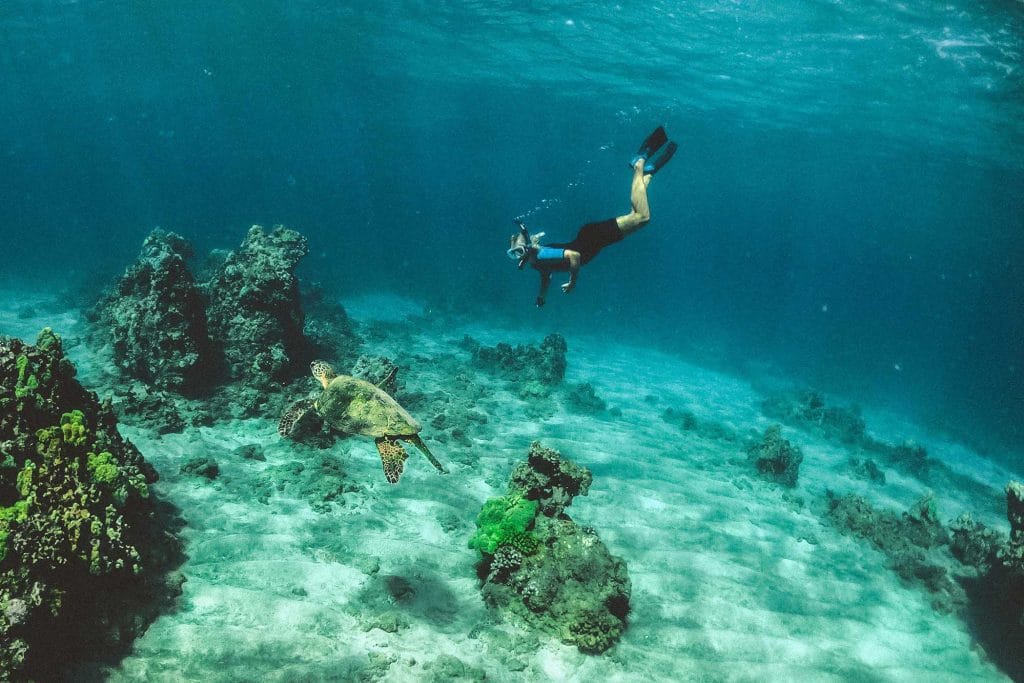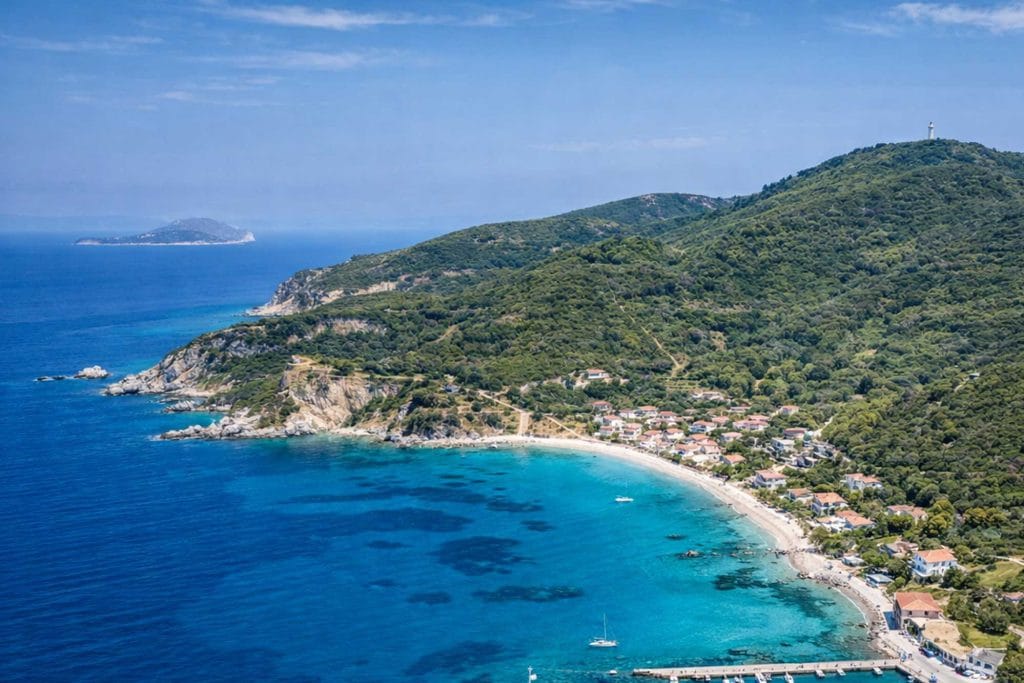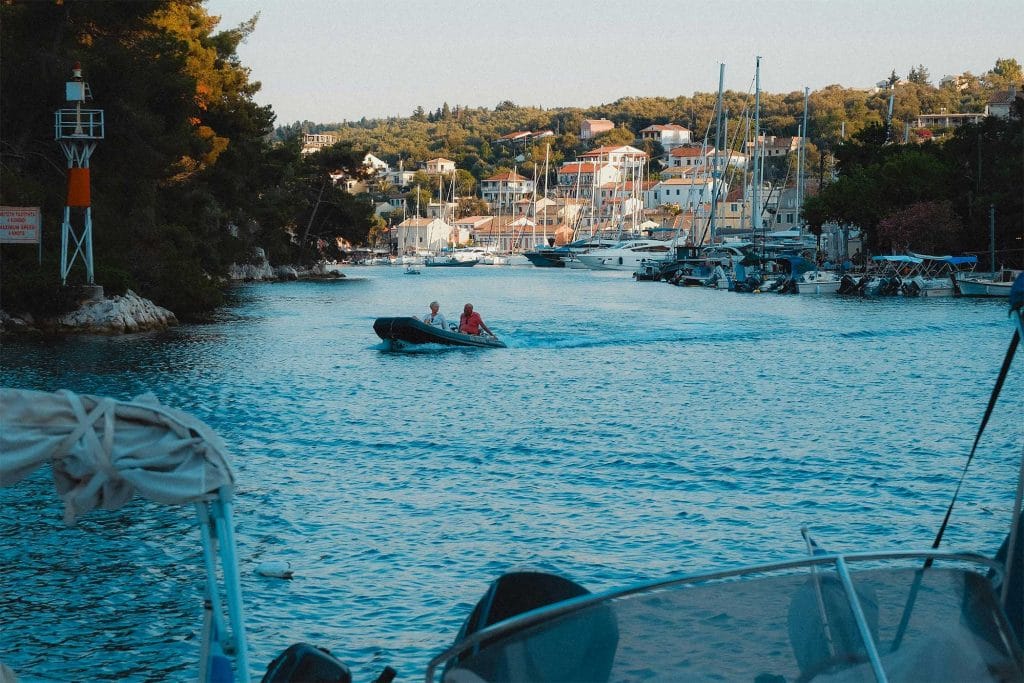
Corfu, one of Greece’s most enchanting Ionian islands, offers some of the Mediterranean’s most spectacular underwater experiences. With its crystalline turquoise waters, dramatic coastal landscapes, and thriving marine ecosystems, snorkeling in Corfu has become a must-do activity for travelers seeking to explore beneath the surface. The island’s unique geography creates sheltered bays and hidden coves where visibility often exceeds 30 meters, making it perfect for both beginners and experienced snorkelers.
From the vibrant reefs of Paleokastritsa to the secluded beaches of the northeast coast, snorkeling in Corfu reveals a diverse underwater world teeming with colorful fish, octopuses, sea urchins, and fascinating rock formations. The warm Mediterranean climate ensures comfortable water temperatures from May through October, while the island’s varied coastline provides options for every skill level. Whether you’re planning your first snorkeling adventure or seeking expert guidance on the island’s hidden gems, this comprehensive guide will help you discover the best spots, identify the marine life you’ll encounter, and prepare you with essential tips for an unforgettable underwater experience.
Why Corfu is a prime destination for snorkeling enthusiasts
Corfu stands out as an exceptional snorkeling destination in the Mediterranean, offering a unique combination of crystal-clear waters, diverse marine ecosystems, and accessible coastal geography. The island’s position in the Ionian Sea creates ideal conditions for underwater exploration, with visibility often reaching 30 meters during summer months.
The varied coastline presents snorkelers with multiple habitat types within short distances. Rocky headlands shelter vibrant marine communities, while sandy bays provide opportunities to observe different species adapted to softer substrates. The island’s geology creates numerous caves, tunnels, and underwater formations that add dimension to every snorkeling adventure.
Water temperatures remain comfortable for extended snorkeling sessions, ranging from 20°C in spring to 26°C in late summer. These warm waters support a rich biodiversity, including colorful wrasses, curious groupers, and schools of silver bream. The relatively gentle currents around most popular spots make Corfu suitable for snorkelers of all skill levels.
Beyond natural attributes, Corfu benefits from well-developed tourism infrastructure that caters specifically to water sports enthusiasts. Equipment rental facilities are widely available, and many beaches feature marked snorkeling zones with safety supervision. The island’s commitment to marine conservation ensures these underwater environments remain pristine for future generations of snorkelers to enjoy.
Top snorkeling spots in Corfu you need to explore
Corfu’s coastline offers exceptional snorkeling opportunities, with crystal-clear waters and diverse underwater landscapes. The following locations stand out for their accessibility, marine biodiversity, and underwater visibility.
Paleokastritsa
This west coast destination ranks among Corfu’s most celebrated snorkeling sites. The area features multiple small bays with rocky formations, underwater caves, and abundant marine life. The protected coves provide calm conditions ideal for beginners, while the varied depths accommodate more experienced snorkelers seeking exploration.
Kassiopi
Located on the northeast coast, Kassiopi delivers excellent snorkeling from both its harbor area and nearby beaches. The rocky seabed creates habitat for octopuses, sea urchins, and colorful fish species. The water clarity here consistently impresses visitors throughout the summer season.
Agios Gordios
This western beach combines sandy shores with rocky sections perfect for underwater observation. The southern end offers the most rewarding snorkeling, where submerged rock formations attract schools of damselfish and wrasses. The gradually sloping seabed makes this spot particularly suitable for families.
Sidari
Famous for the Canal d’Amour rock formations, Sidari provides unique snorkeling experiences among sculptured sandstone channels. The shallow, protected waters allow extended sessions observing marine life in natural rock pools and passages carved by centuries of wave action.
Marine life you’ll encounter while snorkeling in Corfu
Corfu’s underwater ecosystem offers snorkelers an impressive variety of Mediterranean marine species. The island’s protected bays and rocky coastlines create ideal habitats for diverse sea life, making every snorkeling excursion a potential wildlife encounter.
Among the most commonly spotted fish are ornate wrasse, displaying vibrant colors of blue, green, and orange. These active swimmers often dart between rocks and seagrass beds. Damselfish are equally abundant, particularly in shallow waters where they defend their territories with surprising tenacity. You’ll also encounter various species of sea bream, including the distinctive saddled bream with its characteristic dark bands.
The rocky seabed harbors numerous invertebrates worth observing. Sea urchins cling to crevices, their spines providing both defense and a reminder to watch your distance. Octopuses occasionally reveal themselves, though their masterful camouflage makes them challenging to spot. Patient snorkelers may witness these intelligent creatures changing color and texture to blend seamlessly with their surroundings.
Starfish populate the sandy patches between rocks, while sea cucumbers rest on the seabed. In areas with abundant algae growth, you might spot salema porgies traveling in schools. The island’s waters also host mullet, particularly near harbors and river mouths. During summer months, jellyfish occasionally drift through Corfu’s bays, though most species are harmless if you maintain a respectful distance.
Essential snorkeling gear and equipment for Corfu waters
Before exploring Corfu’s underwater world, having the right equipment ensures both safety and comfort. The basics include a well-fitting mask, snorkel, and fins, but choosing quality gear specifically suited to Mediterranean conditions makes a significant difference.
Your mask should create a watertight seal without feeling overly tight. Test it by placing it on your face without the strap and breathing in through your nose. If it stays in place, the fit is correct. Tempered glass lenses are essential for durability, and masks with a wider field of vision help you spot more marine life.
A dry-top snorkel prevents water from entering when small waves pass overhead, which is particularly useful in Corfu’s occasionally choppy coastal areas. Purge valves at the bottom make clearing any water entry quick and effortless.
Full-foot fins work well in Corfu’s warm summer waters, typically ranging from 23 to 26 degrees Celsius. However, adjustable strap fins paired with reef-safe booties offer better protection when entering from rocky shores, which are common around the island.
Additional recommended items include a rash guard or wetsuit for sun protection and thermal comfort during longer sessions, an underwater camera to document your discoveries, and a mesh gear bag for easy rinsing and drying. A dive flag is advisable when snorkeling in areas with boat traffic.
Expert tips for safe and rewarding snorkeling experiences
Safety and preparation significantly enhance the quality of your snorkeling adventure in Corfu’s diverse marine environments. Begin by checking weather conditions and sea forecasts before heading out, as sudden wind changes can create challenging currents along exposed coastlines. Early morning sessions typically offer calmer waters and better visibility, with the added benefit of fewer boats in popular areas.
Always snorkel with a buddy and maintain visual contact throughout your session. If you’re new to snorkeling, practice breathing through your snorkel in shallow water before venturing deeper. Keep your mask defogger handy and ensure a proper seal by testing the fit on land first.
Respect the 50-meter distance rule from beaches with swimming flags and stay alert for boat traffic, particularly near harbors and popular anchoring spots. Wearing a brightly colored rash guard or snorkel vest improves your visibility to boaters while providing sun protection and buoyancy assistance.
Never touch or stand on coral formations and sea grass beds, as these fragile ecosystems take years to recover from damage. Maintain neutral buoyancy and use gentle fin kicks to avoid stirring up sediment. If you encounter sea urchins in rocky areas, observe them from a safe distance to avoid painful spines.
Stay hydrated and apply reef-safe sunscreen at least 30 minutes before entering the water to protect both your skin and marine life.
Best time of year to go snorkeling in Corfu
Corfu offers excellent snorkeling conditions from May through October, with each period presenting distinct advantages. The summer months of July and August deliver the warmest water temperatures, reaching 24-26°C (75-79°F), making these ideal for extended underwater exploration. However, these peak months also bring larger crowds to popular beaches and snorkeling sites.
For the optimal balance of comfort and tranquility, visit during the shoulder seasons of May, June, September, or early October. During these months, water temperatures remain pleasant at 20-24°C (68-75°F), while visibility often exceeds that of peak summer due to calmer seas and fewer swimmers disturbing sediment. Marine life activity also increases during these periods, particularly in September when various fish species are most active.
June stands out as particularly favorable for snorkeling enthusiasts. The water has warmed sufficiently for comfortable sessions, underwater visibility reaches its annual peak, and tourist numbers remain manageable. The Mediterranean sun provides excellent natural lighting for observing marine life without the intense heat of midsummer.
Avoid the winter months from November through April, when water temperatures drop to 15-17°C (59-63°F) and choppy seas reduce visibility significantly. Strong winds and rough conditions make snorkeling both uncomfortable and potentially hazardous during this period.
- Snorkeling Paradise: Best Underwater Spots Around Corfu
- Corfu’s best anchorages: Secret spots only locals know in 2026
- Corfu’s Marine Life: What You Might Spot While Sailing
- Corfu Northeast Coast: Hidden Bays and Traditional Villages
- Albania Sailing from Corfu: Ksamil, Saranda & the Albanian Riviera
- The Magical Underwater World of the Ionian Sea in Corfu