Far beyond the bustling crowds of popular tourist destinations, to the northwest of Corfu, lie three small worlds filled with beauty, tranquility, and genuine life, the Diapontia Islands. Most people ignore them, few have visited, yet those who get to know them never forget. Othonoi, Erikousa, and Mathraki form a unique landscape of island serenity, with deep blue seas, olive groves, pine forests, and endless beaches untouched by mass tourism. Traveling to the Diapontia is not merely a sea crossing; it is a journey back in time. It is a return to simplicity, to the purity of the landscape, the smiles of the inhabitants, and the rhythms of nature.
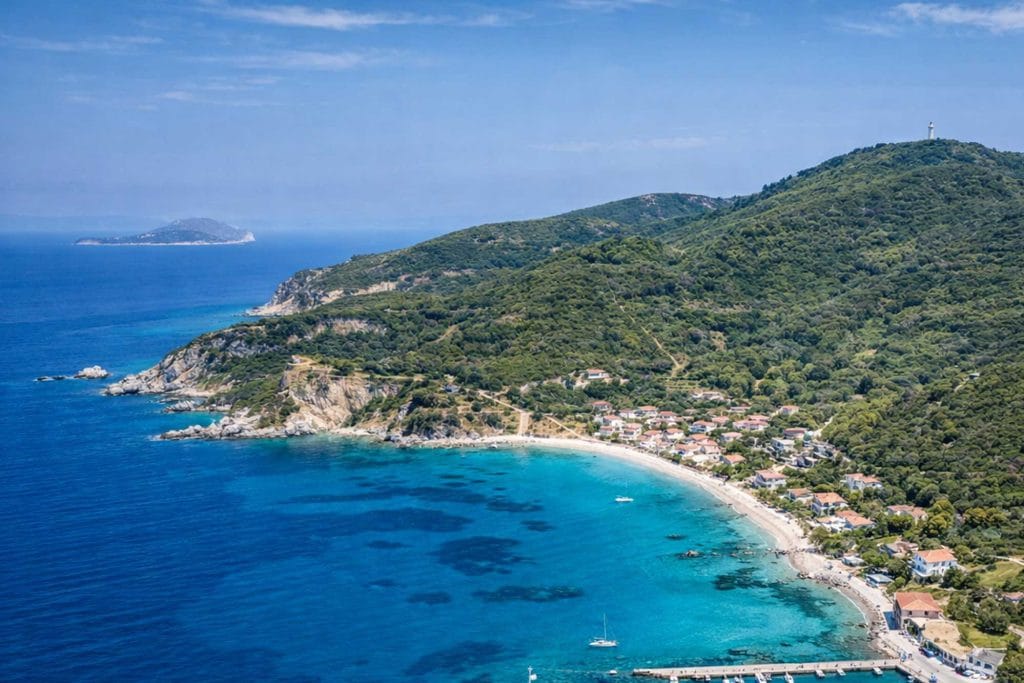
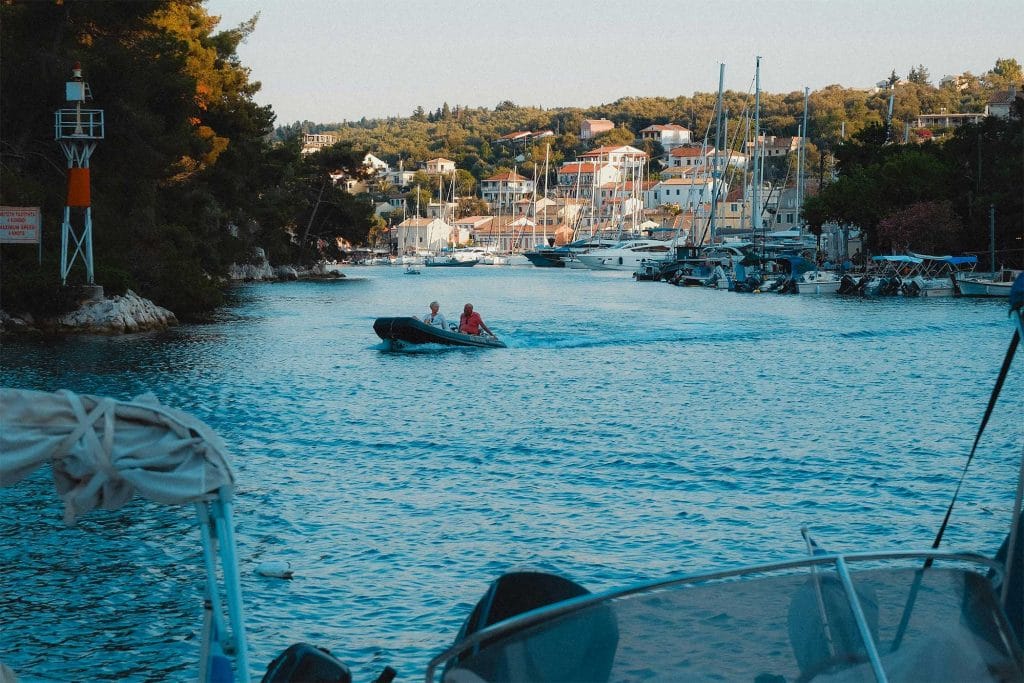
Othonoi is the largest of the three islands and the westernmost inhabited point of Greece. According to tradition, this island is identified with Ogygia, the island of the nymph Calypso, where Odysseus was shipwrecked and remained for seven years. Indeed, it is not hard to imagine why anyone would want to stay. The landscape is wild yet enchanting. Dense vegetation, cliffs, caves, and unique shorelines compose a canvas of natural harmony. The island’s most famous beach is Aspri Ammos (White Sand), accessible only by boat, with its white sands and turquoise waters reminiscent of the Caribbean. In the northern part of the island stands the Othonoi lighthouse, built by the British in the 19th century, with breathtaking views. The settlement of Ammos, the island’s harbor, is peaceful and welcoming. Here you will find traditional cafes, family tavernas, and hospitality from people who live by the rhythms of nature rather than the clock.
Erikousa likely derives its name from the plant “eriki,” a shrub that fills the island with its distinctive fragrance, especially in spring and autumn. It is the greenest of the Diapontia Islands, almost entirely covered with olive trees, cypresses, and dense shrubbery. Here, the visitor experiences absolute quiet. The sounds are limited to the waves, cicadas, and birdsong.
The island’s main beach, Braggini, is large, with fine sand and calm, shallow waters, ideal for families and children. From there, trails lead to the hills and small settlements that still stand as if time never passed. Erikousa has no nightclubs or flashy hotels. Instead, there are homes with courtyards full of basil plants, homemade food, and a rare authenticity that is hard to find elsewhere.
Mathraki is the smallest and perhaps the most mystical of the Diapontia. With a population of only a few dozen residents, it serves as a refuge for those seeking solitary contact with nature. The island has no roads for cars, only paths connecting the few settlements, olive groves, and slopes.
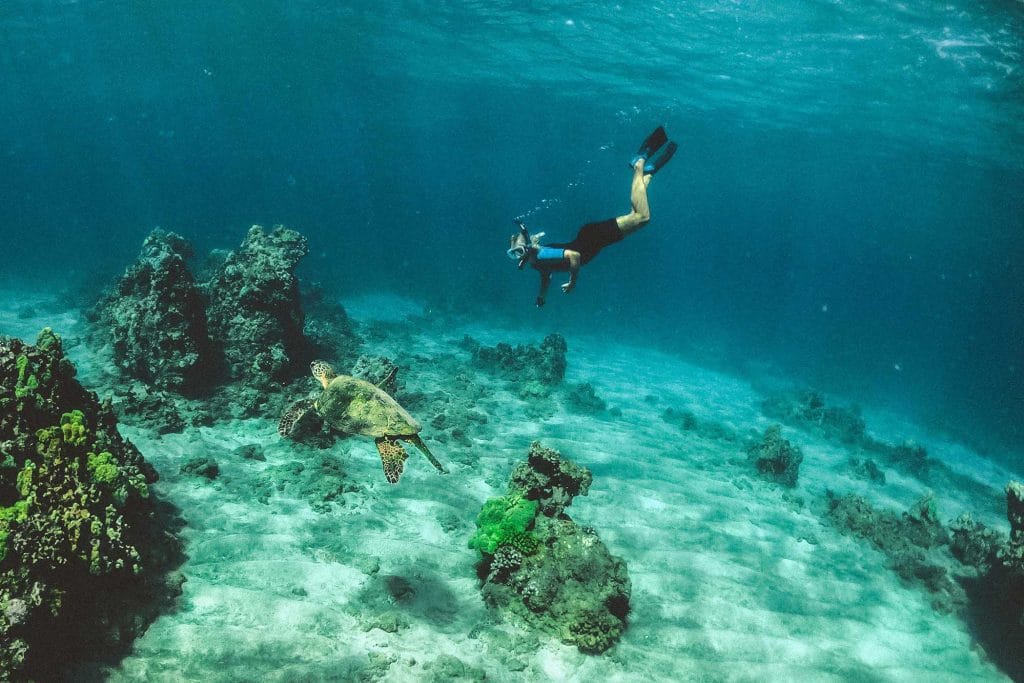
Mathraki’s beach is the main sandy stretch, over a kilometer long rare for such a small island. Often, you won’t find a single person there, only the traces of the waves on the sand. On the western edge lies Fiki beach, perfect for snorkeling and exploration. The few inhabitants are hospitable and proud of their homeland. Time here seems to have stopped, and visitors quickly feel as though they have entered a literary utopia where technology, stress, and the pace of modern life have no place.
The Diapontia Islands are the Greece that is fading away simple, welcoming, and enchanting. They have no mass tourism, no noise, no rush. But they do have vast beaches, hiking paths, nature, and people who remind you of old summers. The experience is existential, a reconnection with nature, an escape from noise, a contact with the place and with yourself. It is the kind of vacation that cannot easily be captured in photographs but lives on in memories and sensations.
The Diapontia Islands are not just a place, they are an experience. They are a flight away from everything that weighs you down and a gaze toward everything that inspires you. Whether you travel by caique, sailboat, or even just in your mind, these three small islands are always there, silent but stunning. Ready to whisper stories to you, treat you with local flavors, and offer something priceless: peace, tranquility, and a true Greek summer.