Corfu has long been associated with myths and legends. One of the most captivating is the connection to Odysseus, the wandering hero of Homer’s Odyssey. The idea that Corfu may have been the land of the Phaeacians has fascinated scholars and travelers for centuries. But how much of this is based on fact and how much is legend
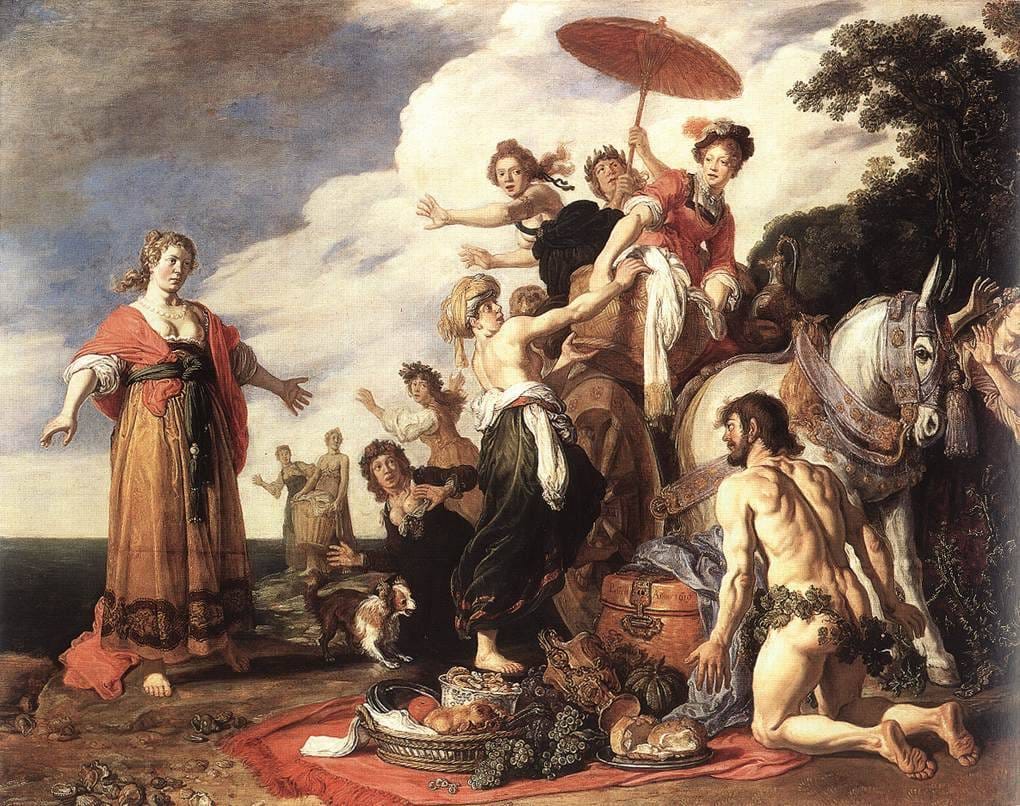
In Homer’s Odyssey Odysseus washes ashore after a storm and is found by Nausicaa the daughter of King Alcinous. She brings him to the palace where he is welcomed and eventually helped to return home. The description of the Phaeacian land has led many to believe that Homer was referring to Corfu
The lush landscape the sea grottos and the advanced maritime skills of the Phaeacians are traits that seem to match what we know about ancient Corfu. The island’s location fits the journey described in the Odyssey and several local landmarks are said to be directly linked to the myth
One of the most popular sites is the so called Rock of Odysseus located off the western coast of Corfu. According to legend this rock was once the ship of the Phaeacians turned to stone by Poseidon as punishment for helping Odysseus. Whether or not this is true the rock formation is real and continues to inspire imaginations
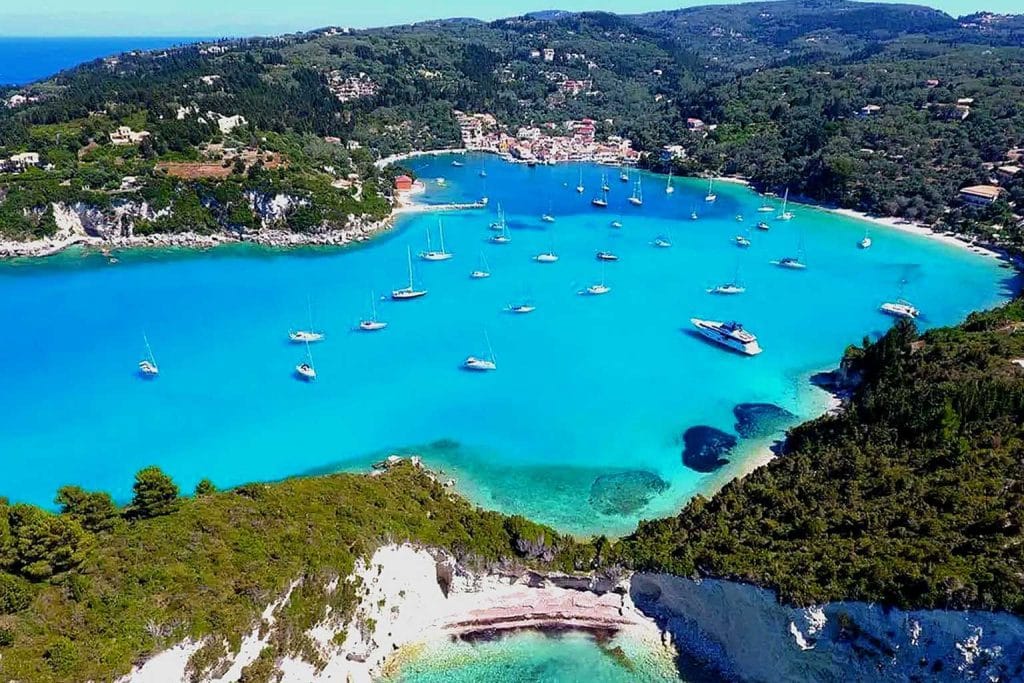
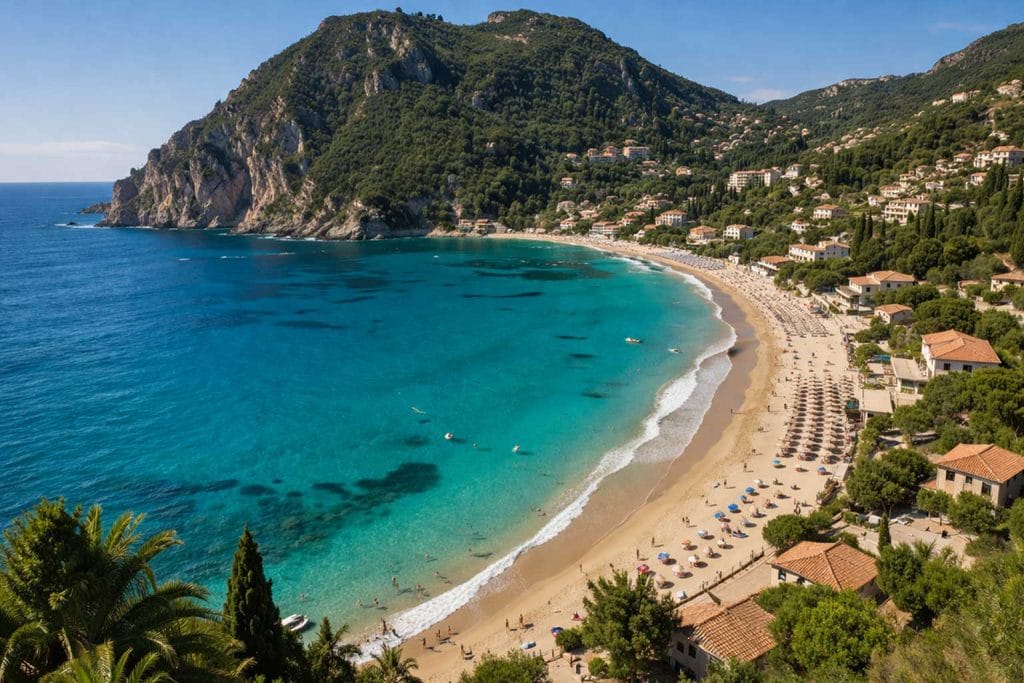
Another reference is the Palace of Alcinous. While no direct archaeological evidence confirms its existence some historians point to ancient remains near Palaiokastritsa and Kanoni as possible candidates. The dramatic cliffs and coves of Palaiokastritsa seem to match Homer’s poetic descriptions of the shore where Odysseus was rescued
Local culture in Corfu also keeps the legend alive. Many stories are passed down about the hospitality of the island and how it reflects the values of the Phaeacians. Visitors often comment on the warmth of the locals a tradition that is celebrated as part of this legendary connection
There are also those who argue that the myth is simply a story. Homer was a poet and much of his work blends reality with imagination. Some believe that the Odyssey is a symbolic journey rather than a literal travel log. In this view Corfu’s connection to Odysseus is more about cultural identity than historical fact
Still the romantic notion persists. Corfu as the final stop before Ithaca fits neatly into the emotional arc of Odysseus’s journey. It is a place of refuge of beauty and of transition. These themes resonate deeply with both locals and travelers alike
Today you can walk the paths near Palaiokastritsa and imagine Nausicaa by the river. You can sail near the cliffs and wonder if those same waters once carried a hero home. Whether or not the events are factual the experience of being in Corfu makes the myth feel possible
Tour operators offer special routes following the path of Odysseus. Museums include exhibits about the myth and its impact on literature and culture. Even schools on the island teach the story not just as ancient literature but as part of the island’s identity
In the end the myth of Odysseus in Corfu is both a tale and a truth. It is a story that shaped the imagination of the world and a narrative that continues to shape how Corfu sees itself. The island may not have all the answers but it invites you to find your own truth in its landscapes its stories and its silence